

Home Blog Page 3

Having Your Aura Read: What to Know

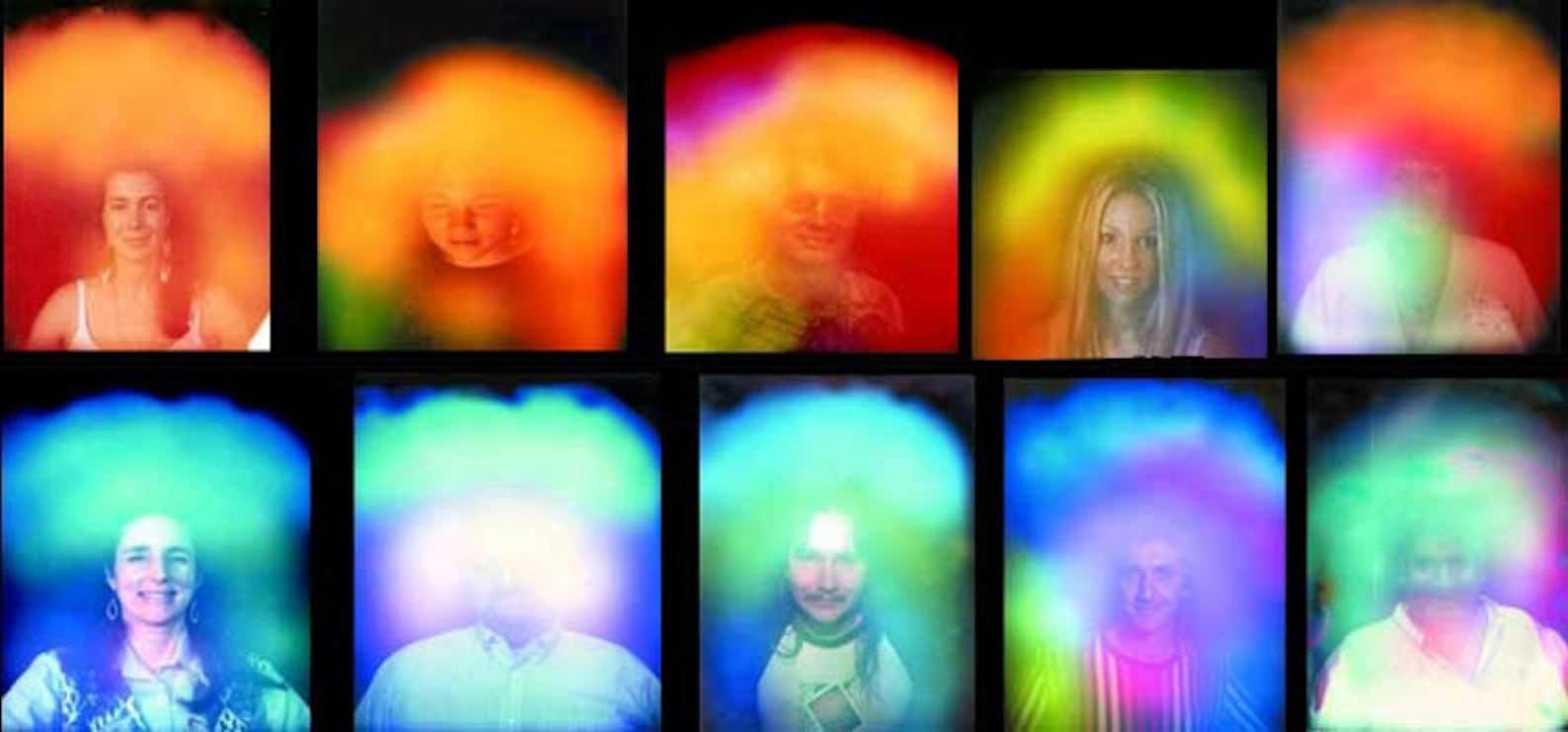
Portrait collage with artistic multicolor aura effects

Quick answer

An aura reading is a spiritual or symbolic service in which a reader assigns meaning to impressions, colors or images said to surround a person. There is no established scientific test showing that those colors form a measurable field that reveals health, personality, trauma or the future. A reading can be used as reflection or entertainment, but it should not diagnose a condition, replace care or pressure you into buying a cure.

Before booking, decide what you are actually purchasing: a conversation, a photograph with a color overlay, a device-generated image, or a combined interpretation. Ask how the image or colors are produced, what the total price includes and whether you may decline topics or follow-up products.

What an aura reader may be describing

Different practitioners use “aura” for different ideas. One may report colors they say they see intuitively. Another may use hand sensors, photography software or a high-voltage corona-discharge process. A third may treat colors as metaphors chosen during a conversation. Those services are not interchangeable, and none should be presented as a medical scan.

Swipe horizontally if any columns are off-screen.

Service format What you receive Important boundary
Verbal intuitive reading A reader’s impressions and color symbolism The impression is not an objective measurement of your body or mind
Portrait with color overlay A photograph plus colors selected by software or a device Ask how colors are generated; the image is not proof of a supernatural field
Corona-discharge or “Kirlian” image A record produced around an object in a high-voltage setup Physical discharge effects are not a validated health or personality diagnosis
Reflective color exercise Prompts based on colors you notice or choose Use the result as a metaphor, not as access to hidden facts

Aura colors do not have one fixed dictionary

Color meanings vary by reader, school, culture, lighting, software and context. Red can be framed as energy, anger, courage or urgency; blue as calm, sadness, communication or distance. Black may be treated as protection by one reader and danger by another. These differences show why a color label should not be treated as a diagnosis or fact about someone’s character.

A useful reader will explain that their system is interpretive and invite you to reject what does not fit. They will not infer depression, addiction, pregnancy, illness, abuse, dishonesty, paranormal ability or financial fortune from a color. Clothing and décor colors are ordinary choices; they do not disclose another person’s health, consent, motives or spiritual status.

Photography and device claims

Some aura-photo services take a normal portrait and add colors using sensor input or software. Kirlian photography is different: it records a corona discharge created when an object is exposed to a high-voltage, high-frequency electrical field. Published reviews have found insufficient reliable evidence for treating aura-imaging methods as diagnostic alternatives. A vivid image can still be an interesting keepsake, but visual drama is not clinical validation.

Ask the operator to name the device, explain what it measures, disclose whether colors are added after capture and state what factors can change the output. Do not use a consumer aura photo to start or stop treatment, interpret laboratory results, evaluate pregnancy, identify a mental-health condition or decide that a symptom is caused by “blocked energy.”

Respect distinct spiritual and cultural traditions

Prana, qi, chakras, Jewish mystical traditions, Christian halos and modern aura photography developed in different communities and historical settings. Listing them as proof of one universal seven-layer system erases those differences. If a reader borrows a named practice, ask which source, lineage or community informs it and whether the description is historical, devotional or a modern adaptation.

Our third-eye meaning and safety guide uses the same distinction between metaphor, belief, anatomy and evidence. A respectful explanation can describe what a community believes without claiming that age or tradition proves a health effect.

Before the session: price, consent and privacy

  1. Price: get the total cost, duration, delivery format and refund terms in writing.
  2. Scope: ask whether this is conversation, photography, device output or a product consultation.
  3. Claims: ask what the service cannot determine and whether uncertainty will be stated.
  4. Consent: confirm that you can decline health, grief, relationship, sexuality or family topics.
  5. Privacy: learn whether portraits, sensor readings, recordings and contact details are stored, shared or used in marketing.
  6. Upsells: ask whether cleansing, crystals, supplements, repeat sessions or “repairs” will be offered.

The psychic reading cost-and-service guide provides a practical way to record the offer, time, authorized amount, exact claims and later outcomes. Do not share passwords, banking credentials, government identifiers or intimate images with a reader.

Health claims and “aura repair”

The National Center for Complementary and Integrative Health says there is no scientific evidence supporting the energy field proposed in Reiki and that Reiki has not been clearly shown effective for any health-related purpose. That finding does not prevent someone from holding a spiritual belief or finding a ritual calming; it does mean an aura reading should not be sold as proof of disease, treatment need or healing.

The Federal Trade Commission says objective health claims need competent and reliable scientific evidence, and testimonials do not establish cause and effect. Be cautious if a reader says a color proves illness, an “attachment,” a torn aura or a blocked chakra and then sells the only remedy. Leave if they discourage medical care, claim an emergency or curse, demand secrecy, or require escalating payments.

During and after the reading

  • Write the exact color, claim and reason given before discussing your history.
  • Separate observation (“the image shows blue”) from interpretation (“blue means grief”).
  • Ask for at least one ordinary alternative explanation.
  • Record misses, contradictions and broad statements as carefully as matches.
  • Delay costly or irreversible decisions until you can check evidence elsewhere.
  • Judge the service by consent, clarity and value—not by certainty or fear.

If a color prompt helps you name a feeling or value, use that insight as a question: “What evidence supports this?” or “What small, reversible action would help?” The meaning you make from the experience can be personal without turning the reading into a medical test or a claim about another person.

Frequently asked questions

1. Can an aura reading diagnose a health or mental-health condition?

No. Aura colors, photographs and readings are not validated diagnostic tests. Discuss symptoms, medicines, treatment and health decisions with an appropriately qualified professional.

2. Does Kirlian photography prove that a human aura exists?

No. Kirlian images record corona-discharge effects produced in a high-voltage setup. Reviews have found insufficient reliable evidence for using these images as aura or diagnostic measurements.

3. Do aura colors have universal meanings?

No. Meanings vary between readers, systems and cultural contexts. Treat a color meaning as an interpretive prompt, not a fixed fact about health, personality, morality or the future.

4. What are warning signs in an aura reading?

Leave if a reader claims a color proves illness, danger, a curse or an attachment; discourages care; guarantees cleansing or healing; demands secrecy; or pressures you to buy repeated repairs, products or sessions.


Sources

Reading Runes

Hands arranging marked stones on a decorative tabletop

Quick answer

Reading runes today usually means using marked tiles as prompts for reflection, but the layouts sold online are modern conventions—not verified ancient prediction systems. Historical runes were writing characters used in several rows over time. Some inscriptions also appear in magical or ritual contexts, yet that evidence does not establish today’s two-, three-, nine- or twenty-four-tile spreads as inherited instructions.

The safest approach is to choose one documented rune row, define each position before drawing, record the result, consider alternatives and check important decisions against ordinary evidence. More tiles create more prompts; they do not create more certainty.

Start with the rune row and reference

“Runes” does not name one timeless alphabet. Elder Futhark has 24 characters, Younger Futhark has 16, and Anglo-Saxon futhorc has additional characters. Commercial sets sometimes mix rows or add a blank “Odin rune,” which is a modern addition rather than a twenty-fifth Elder Futhark character.

Choose one row and write down the book, museum resource or teacher you are using. Our Elder Futhark reference separates historical names and sound values from modern reflective associations. If your set contains stylized or invented marks, do not label them as authenticated historical runes.

Choose a layout by task, not by promised accuracy

Swipe horizontally if any columns are off-screen.

Tiles Useful modern structure Avoid claiming
Two Option A / option B; support / obstacle; assumption / evidence That matching runes guarantee success or opposing runes cancel each other
Three Context / present choice / next check; situation / response / review That the third tile reveals a fixed future
Four Facts / feelings / other people’s stated needs / shared next step That a tile exposes someone’s secret thoughts or consent
Five Question / evidence / missing information / reversible action / review date That the center tile is an authoritative answer
Six or seven Multiple constraints in a complex but low-risk decision That extra positions increase supernatural accuracy
Nine A planning grid covering past facts, current conditions and future contingencies That the top row predicts what will happen
Twenty-four A long-form journal index using every Elder Futhark character once A full year of certain health, legal, relationship, money or life-and-death outcomes

A repeatable method for any spread

  1. Frame an open question. Ask “What should I examine?” rather than “Will this definitely happen?”
  2. Define the positions first. Write each prompt before drawing so it cannot be changed to fit the result.
  3. Randomize once. Mix or draw the tiles without repeatedly selecting until a preferred symbol appears.
  4. Identify the character. Check its form, row, name and sound against the chosen reference.
  5. Separate layers. Record the historical character information, the modern association and your personal response in separate columns.
  6. Generate alternatives. Write at least two plausible readings, including one that does not depend on a supernatural cause.
  7. Check evidence. Note what documents, conversations, measurements or qualified advice would confirm or contradict the idea.
  8. Choose a reversible step. Set a review date and record what actually happened, including misses.

If a multi-tile spread feels too complicated, use the documented one-rune exercise instead. A smaller layout makes it easier to notice projection, changing definitions and repeated-draw answer seeking.

How to read two and three tiles

In a two-tile draw, treat the pair as a comparison. For example, tile one can prompt “What supports this option?” and tile two “What could obstruct it?” Similar symbols do not prove success, and tension between symbols does not prove failure. The value comes from naming factors you can investigate.

Three-tile layouts are often labeled past/present/future or “Three Norns.” The Norns are figures in Norse myth, but that label does not make a modern spread an ancient predictive method. A safer sequence is:

  • Context: What documented past facts still matter?
  • Choice: What can I influence now?
  • Check: What future sign or deadline will help me review the decision?

A vertical “challenge” layout can use situation / obstacle / practical response. Avoid calling the top tile the inevitable outcome. If the topic involves another person, use their stated words and behavior rather than claiming a tile reveals their mind.

Four- and five-tile layouts

A four-tile diamond can organize a decision without assigning hidden desires:

  • top: the question in neutral terms;
  • left: evidence supporting the current plan;
  • right: evidence against or missing information;
  • bottom: one reversible next step.

A five-tile layout adds a center review prompt. Use outer positions for context, resources, constraints and alternatives; use the center for “What needs checking first?” Do not interpret mind/body/spirit positions as a health assessment. A rune cannot measure a physical condition, diagnose mental health or determine whether symptoms have a spiritual cause.

Six-, seven- and nine-tile layouts

Larger spreads can help map a project when every position has a distinct job. A six-tile cross might cover facts, assumptions, stakeholders, resources, risks and the next check. A seven-tile line can cover the question, two contributing factors, two options, one constraint and one review date.

For a nine-tile grid, avoid treating rows as certain past, present and future. Use them as:

Swipe horizontally if any columns are off-screen.

Row Planning use Evidence question
Bottom Established context What records or events support this?
Middle Current conditions What can be observed or discussed now?
Top Contingencies What would we do if each possibility occurred?

Complexity can create an illusion of precision. If positions overlap, stop and simplify instead of inventing connections after the fact.

Twenty-four tiles and annual readings

A full Elder Futhark layout may be used as a long-form writing exercise, but it does not provide a year of fixed answers. Do not assign tiles to disease, death, pregnancy, court outcomes, investments, another person’s sexuality or guaranteed prosperity. Safer categories include learning, routines, relationships you participate in, household tasks, budget questions, creative work, community responsibilities and review dates.

Record all 24 positions before interpreting them. Then group observations into a short list of practical themes. If every tile is made to confirm the same conclusion, the layout is not supplying independent evidence.

When a rune layout should not guide the decision

  • medical symptoms, medicines, pregnancy or mental-health assessment;
  • immediate danger, abuse, self-harm or locating a missing person;
  • legal rights, court strategy, contracts or immigration status;
  • investments, debt, gambling or money you cannot afford to lose;
  • another person’s consent, fidelity, private thoughts or identity;
  • any choice where delay could increase harm.

Use emergency services or an appropriately qualified professional when the stakes require it. A reader should not diagnose, threaten, guarantee an outcome, claim a curse, demand secrecy or sell protection as the only way to prevent harm.

Frequently asked questions

1. Which rune layout is best for a beginner?

Use one or two tiles with positions defined in writing before the draw. A small layout is easier to document, compare with evidence and review without changing meanings afterward.

2. Is the Three Norns spread an ancient documented method?

The Norns are figures in Norse myth, but that does not establish today’s past/present/future spread as an inherited ancient procedure. Label it as a modern convention and avoid fixed-future claims.

3. Do more runes make a reading more accurate?

No. More tiles create more prompts and more opportunities for vague or overlapping interpretations. Use only as many positions as the question genuinely needs.

4. Can a rune spread assess health or another person’s feelings?

No. Runes cannot diagnose physical or mental health, establish consent or reveal someone else’s private thoughts. Use direct communication, evidence and qualified care or advice.

Sources

What to Know About Using Runes for Divination

Adult arranging a handmade rune set beside safe craft materials at home

Quick answer

A modern rune set can be bought or made as a writing, study or reflection tool, but the material does not absorb magical power and the tiles do not provide verified predictions. Historical runes were characters in several writing systems. Modern drawing, casting, reversal and spread rules vary, so a responsible practice labels its sources and conventions instead of presenting one commercial method as ancient fact.

Before choosing a set, decide what you want to do: learn a historical rune row, copy inscriptions, run a reflective journaling exercise or collect a crafted object. That purpose determines the number of pieces, reference, material and storage you need.

Choose the rune row before the material

Swipe horizontally if any columns are off-screen.

Question What to check Why it matters
Which rune row? Elder Futhark, Younger Futhark, Anglo-Saxon futhorc or another documented row Rows have different dates, places, character counts and sound values
How many pieces? Match the chosen row A 24-piece set fits Elder Futhark; a blank tile is not its twenty-fifth character
Are the marks accurate? Compare every character with a museum or runology reference Commercial sets may rotate, merge, stylize or invent forms
What do keywords represent? Separate historical name or sound from a modern association A modern keyword is not automatically an ancient divinatory meaning
What method is offered? Ask whether drawing, casting, reversals and positions are modern conventions Transparent labels prevent an invented method from being sold as recovered history

The evidence-boundary overview in our rune casting history guide distinguishes writing, attested magical material, later interpretation and contemporary practice. Use the same labels in your notes.

Buying a modern rune set

Wood, clay, card, stone, glass and resin can all function as tile materials. None is inherently more accurate or powerful. Choose pieces that are readable, durable, comfortable to handle and safe in your setting.

  • Listing accuracy: confirm the rune row, character count, dimensions and included reference.
  • Claims: avoid sellers promising healing, protection, guaranteed luck, wealth, love or “activated” power.
  • Materials: check for sharp edges, breakable pieces, allergens, undisclosed coatings or strong odors.
  • Provenance: do not assume a “Viking,” “Celtic,” “shamanic” or “ancient” label is historically documented.
  • Ethics: avoid material advertised as archaeological, illegally collected, endangered or taken from a sacred site.
  • Return terms: document the total price, shipping, condition and refund policy before paying.

A pouch or box protects pieces from loss; it does not charge them. You do not need a seller to cleanse, bless, attune or repair a set before it can be used for study or reflection.

Making a set safely at home

Paper or heavy card is the simplest low-cost option: cut equal rectangles, copy one verified character per card and add the row name to your notes rather than crowding the face with invented symbols. Air-dry clay and pre-cut wooden blanks are also practical when used according to the manufacturer’s instructions.

  1. Print or draw a verified character checklist.
  2. Count the blank pieces and remove extras, including any optional blank rune you do not plan to define.
  3. Mark each piece with pencil before applying water-based paint or a suitable nontoxic marker.
  4. Let coatings dry and cure as directed.
  5. Compare the finished set with the checklist and correct rotated or duplicated marks.
  6. Store the set away from young children and pets because small pieces can be choking hazards.

Use ventilation and eye or respiratory protection when a material or product label requires it. Do not burn, smoke, ingest or apply unknown pigments, resins, woods, stones or powders to the body. Avoid carving toward your hand; beginners can choose paint, card or pre-cut blanks instead of knives or power tools.

Drawing and casting are different procedures

Drawing means selecting one or more pieces from a concealed or shuffled set. Casting means releasing pieces onto a defined surface and deciding which ones will be read. Neither process guarantees randomness or access to hidden information.

Swipe horizontally if any columns are off-screen.

Method choice Define before starting Do not add afterward
Draw from a pouch Number of pieces and order of positions Extra draws until a preferred answer appears
Cast on cloth Height, surface, boundary and which pieces count New zones or directional meanings invented after seeing the fall
Use reversals Which characters can reverse and what the convention means A negative or dangerous meaning simply because a mark is rotated
Read clusters A repeatable distance or grouping rule A “map” that changes to fit the desired story

Orientation, face-down pieces, direction and proximity can be recorded as modern prompts, but they are not self-evident messages. Many rune forms look the same when reversed; others may rotate during handling. Write the rule first or omit it.

A transparent first session

  1. Write one low-stakes, open question.
  2. Name the rune row, reference and modern method.
  3. Define the number and positions before mixing the set.
  4. Draw or cast once.
  5. Record the exact characters and physical arrangement before interpretation.
  6. Write the historical character information, modern keyword and personal response separately.
  7. List at least one alternative interpretation and one ordinary source of evidence.
  8. Choose a small reversible action and a date to review what actually happened.

For multi-tile position prompts, use the rune layout selection guide. It explains how two- through twenty-four-tile structures can organize questions without becoming fixed predictions.

Respect history without treating myth as archaeology

Myths involving Odin can be discussed as literary and religious tradition, not as a dated account of who invented runic writing. Runic rows changed across time and place; they were not simply one alphabet that migrated unchanged around the world. Similar-looking marks on a modern set do not establish historical continuity.

Likewise, a generic cloth with compass points, elements, astrology signs or unrelated religious symbols should not be called an authentic Norse reading board without evidence. Describe it as a modern design and avoid blending distinct cultures into a single “ancient mysticism.”

Boundaries for decisions and paid readings

Do not use a rune set to diagnose health, assess pregnancy, identify a mental-health condition, locate a missing person, determine immediate danger, predict court or immigration outcomes, choose investments, accuse someone, or infer another person’s consent or private thoughts. Use emergency services or appropriately qualified professional help when the stakes require it.

A seller or reader should not claim that only their set works, that your tiles are cursed, or that repeated cleansing, replacement or paid activation is necessary. Stop if someone threatens harm, guarantees an outcome, demands secrecy, discourages care or pressures payment for protection.

Frequently asked questions

1. Is a handmade rune set more powerful than a purchased set?

No. Making a set can support learning and familiarity, but the material does not absorb proven magical power. Accuracy depends on careful identification and transparent interpretation, not who made the tiles.

2. Should an Elder Futhark set include a blank rune?

No. Elder Futhark has 24 characters. A blank “Odin rune” is a modern addition; remove it or label it clearly as an optional modern pause prompt.

3. Do face-down, reversed or clustered runes have fixed meanings?

No. These are method choices that vary among modern readers. Define any rule before the draw or cast, apply it consistently and do not treat orientation as proof of danger or a future event.

4. Can runes spell a hidden message or predict an outcome?

A random arrangement may resemble a pattern or word by chance, but it does not verify a hidden source or future event. Record the result, consider alternatives and check consequential decisions with evidence.

Sources

How to Reverse Bad Karma in 5 Steps

Abstract seated figure with a bright artistic glow

Quick answer

You cannot prove that illness, loss, conflict or a run of bad luck is cosmic punishment, and thoughts or jokes do not manifest disease or death. If “bad karma” is the language you use for regret or a harmful pattern, the most useful response is not to erase invisible debt. It is to identify what happened, take proportionate responsibility, repair what can safely be repaired and change future behavior.

Some events follow from choices; others arise from chance, other people’s actions, health conditions, unequal circumstances or causes you may never know. Blaming every hardship on your attitude can add shame and may delay practical help.

Karma is not one universal “energy law”

Karma is discussed in diverse Hindu, Buddhist, Jain and other South Asian religious and philosophical traditions, with important differences among them. It should not be reduced to “positive thoughts attract rewards” or “negative words create disease.” A modern self-help use of the word can be clearly labeled as metaphor rather than presented as the doctrine shared by every tradition.

Our spirituality, belief and evidence guide separates personal faith, interpretation and checkable claims. You can respect a religious account of moral consequences while still examining ordinary causes and using medical, legal, financial or safety evidence where it belongs.

Before the five steps: sort the problem

Swipe horizontally if any columns are off-screen.

Situation Useful response What not to conclude
You caused identifiable harm Own the action, assess impact, make a safe repair and prevent recurrence That suffering or self-punishment automatically repairs the harm
You made a reasonable mistake Correct it, learn and improve the process That one error defines your character forever
Someone harmed you Prioritize safety, boundaries, support and accountability That you attracted, deserved or must forgive the harm
Illness, bereavement or accident occurred Use appropriate care, practical support and reliable information That thoughts, words, a curse or past wrongdoing caused it
A pattern is unclear Record dates, actions and outside factors before assigning a cause That coincidence proves karmic debt

Step 1: describe the event without a cosmic verdict

Write what happened in observable terms: who did what, when, what impact followed and what remains uncertain. Replace “I am cursed” with a testable statement such as “I missed two payments after my work hours were reduced” or “I broke a promise and the other person no longer trusts me.”

Separate facts, interpretations and feelings. This does not dismiss spiritual belief; it prevents belief from replacing information needed to act. If you feel trapped in repeated sign-seeking or a message about punishment, use the record/context/alternatives/reversible-test method in our inner-message safety guide.

Step 2: take the responsibility that is actually yours

Ask three questions:

  1. What did I control at the time?
  2. What impact did my action or omission have?
  3. What belongs to chance, another person or a wider system?

Responsibility should be specific and proportionate. It is not the same as total self-blame. You are not responsible for another person’s abuse, discrimination, illness, natural disaster or decision simply because you felt angry, pessimistic or spiritually “low.”

Step 3: make amends safely and without demanding forgiveness

A useful apology names the action, acknowledges impact, avoids excuses and explains the change you will make. Repair may include returning property, correcting information, paying an agreed debt, replacing damaged work or respecting a boundary. An apology is a beginning, not proof that trust must be restored.

Direct contact is not always appropriate. Do not approach someone who has requested no contact, use an apology to regain access, pressure a harmed person to comfort you, or create risk in an abusive situation. Legal or workplace matters may require qualified advice and formal processes. If contact would burden or endanger the other person, make a behavior change or an indirect community repair instead.

Step 4: change the system that allowed the pattern

Good intentions matter less than a repeatable safeguard. Choose one concrete change:

  • use a calendar, checklist or automatic reminder for missed obligations;
  • remove access to money, substances or tools involved in harmful behavior;
  • pause a conversation when escalation begins and return at an agreed time;
  • seek training, treatment, supervision or accountability appropriate to the problem;
  • set a written boundary and decide what you will do if it is crossed;
  • review the result with a trusted person who will not flatter or shame you.

A ritual, prayer or meditation can accompany change if it fits your beliefs, but it does not substitute for restitution, consent, treatment or prevention.

Step 5: practice values without forcing positivity

Choose a value—honesty, patience, care, fairness, courage or non-harm—and express it in one observable action this week. Track what you did, its actual effect and what needs adjustment. This is more reliable than trying to maintain constant “positive vibes.”

Kindness does not require loving an abuser, removing a boundary or exposing yourself to further harm. Patience does not require waiting indefinitely for a blessing. Negative emotions can carry useful information; they do not make you morally impure or attract punishment.

Positive thoughts do not control illness or mortality

Hope, social support and stress-management skills can improve coping and quality of life. That does not mean optimism prevents disease or that negative speech causes it. The National Cancer Institute notes that research on stress and cancer has produced varying results and that apparent links can be indirect. A diagnosis should never be blamed on a person’s jokes, fears, attitude or spiritual state.

Seek medical care for symptoms rather than cleansing karma. Seek emergency help for immediate danger or thoughts of harming yourself or someone else. If guilt, hopelessness, intrusive thoughts or fear of punishment is persistent or disrupting daily life, a qualified mental-health professional can help without deciding your spiritual beliefs for you.

A simple review after 30 days

Review question Evidence to record
Did I complete the repair? Receipt, correction, returned item, completed task or respected boundary
Did the behavior change? Dates, frequency, triggers and accountability check-ins
Did I respect the harmed person’s agency? No pressure for contact, reconciliation or forgiveness
What remains outside my control? Other people’s choices, chance, health and external conditions
What is the next proportionate step? One practical action, not endless punishment or payment

Do not pay a reader, healer or adviser who says a curse, karmic debt or ancestral punishment will worsen unless you buy cleansing, prayer, protection or repeated sessions. Fear and urgency are not evidence.

Frequently asked questions

1. Does bad luck prove I have bad karma?

No. A run of difficult events can have many causes, including chance, health, other people and structural conditions. Document the events and address practical causes before assigning a spiritual explanation.

2. Should I contact everyone I have ever hurt?

No. Make contact only when it is safe, lawful and respectful of the other person’s boundaries. A specific apology and repair may help, but no one owes you contact, comfort, reconciliation or forgiveness.

3. Can negative thoughts or words cause disease or death?

No evidence supports blaming a diagnosis or death on someone’s jokes, fears or lack of positivity. Thoughts can affect coping and behavior, but health concerns require ordinary medical evidence and care.

4. Can a ritual erase karmic debt?

A ritual may be personally meaningful, but it does not undo harm or replace restitution and changed behavior. Avoid anyone who sells guaranteed cleansing, protection or forgiveness through escalating payments.

Sources

Become a Spiritual Healer Today

Person reflecting outdoors before offering ethical spiritual support
Spiritual support should be grounded in consent, scope limits and appropriate referrals.

Quick answer

“Spiritual healer” is not a promise that you can diagnose illness, remove trauma or produce medical results. If you want to offer spiritual support, begin by defining a modest service—such as reflective conversation, prayer, meditation or a culturally grounded ritual—then build consent, scope limits, referral rules and truthful marketing around it.

The word healer can create expectations that exceed a practitioner’s training. A safer description focuses on what you actually do and what a client may reasonably experience: time for reflection, a chosen spiritual practice or support in exploring personal meaning. It should also say clearly that the service is complementary and does not replace medical care, psychotherapy, crisis support, legal advice or financial advice.

Start with a service, not a supernatural claim

Write a one-sentence description that another person could observe and understand. For example: “I facilitate 45-minute reflective sessions using guided breathing, journaling prompts and optional prayer.” That is more informative than saying you “clear blockages,” “raise vibrations” or “activate hidden healing power.”

Spirituality can include religious practice, secular meaning-making, family traditions or personal beliefs. It is not one universal energy system. Our guide to spirituality, belief and evidence explains how to distinguish a personal interpretation from a claim that can be checked. Make room for clients to disagree, decline a practice or use different language without being treated as resistant or spiritually deficient.

Check the rules where you work

No single rule covers every spiritual practice or jurisdiction. Business registration, taxes, privacy, advertising, touch, regulated professional titles, work with children and the sale of products can all be governed differently. Before taking payment, check current requirements with the relevant local regulator and a qualified legal or business adviser. A website disclaimer cannot authorize work that local law restricts.

Do not describe yourself as a physician, therapist, psychologist, counselor, nurse, dietitian or other regulated professional unless you hold the required credential and are working within its scope. A course certificate or membership badge is not the same as a government license. Even where “spiritual healer” is not a regulated title, ordinary consumer-protection and advertising rules may still apply.

Evaluate training before paying for it

A sincere teacher can still offer weak or unsafe training. Ask for the full curriculum, instructor qualifications, supervised practice requirements, assessment method, complaint process, refund terms and a plain explanation of what the certificate does—and does not—authorize.

Swipe horizontally if any columns are off-screen.

Training claim Evidence to request Reason for caution
“Accredited” or “certified” Name of the accrediting body, its standards and whether a regulator recognizes it Some programs accredit themselves or use badges with no legal meaning
“Trauma-informed” Training hours, instructor expertise, safeguarding policies and referral boundaries The label does not qualify someone to assess or treat trauma
“Scientifically proven” The exact claim, independent research and its relevance to the offered method Testimonials and personal observations do not establish a health effect
“Earn a full-time income quickly” Typical costs, completion rates, typical earnings and the basis for each figure Exceptional success stories can hide ordinary outcomes and expenses
“Discover your calling” Time to review terms without pressure A spiritual identity should not be used to force a purchase or career decision

Speak with former students chosen independently, not only testimonials supplied by the seller. Search the trainer’s name with terms such as “complaint,” “refund” and “discipline.” Compare at least two programs. Avoid paying under a countdown, “divine timing” message or warning that doubt proves you are blocking abundance.

Build a written scope of practice

Your scope should list what you offer, what you do not offer and when you refer someone elsewhere. Keep it consistent across your website, intake form, spoken introduction and session notes.

  • Do: explain the format, duration, price, cancellation terms and whether touch is ever proposed.
  • Do: ask for specific consent and make “no” easy, without pressure or spiritual judgment.
  • Do: explain the limits of confidentiality and how records are stored, accessed and deleted.
  • Do not: diagnose a medical or mental-health condition, interpret symptoms as proof of an energetic cause or advise medication changes.
  • Do not: promise a cure, guaranteed outcome, recovered memory, fertility, reconciliation, financial gain or protection from harm.
  • Do not: isolate a client from family, clinicians, faith communities or other support in order to increase dependence.

If you also hold a licensed professional role, explain which role you are using, keep records and billing appropriate to that role, and follow the stricter applicable standard. Do not let an unregulated spiritual label become a route around professional duties.

Use consent that continues through the session

A signed form is not permanent permission. Before any touch, altered lighting, incense, closed eyes, breath exercise or emotionally intense prompt, describe what will happen and ask again. Offer a non-touch option. A client can pause or end the session at any time and should not lose a refund or be blamed for “resisting healing” because they withdraw consent.

Ask about accessibility, allergies, mobility and sensory needs without requesting unnecessary medical details. Do not use smoke, fragrance, fasting, hyperventilation, extreme heat, cold exposure or substances as routine spiritual practices. Where a method may affect health or safety, obtain qualified guidance rather than relying on tradition or intuition.

Respect culture without claiming ownership

Learn the history and living context of any practice you use. Do not rename a community’s religious ceremony as a proprietary “activation,” claim lineage you do not have or market sacred items as guaranteed cures. Where teaching is restricted to initiated members or a particular community, respect that boundary.

State whether a practice comes from your own faith, from formal training, from family transmission or from a modern adaptation. Credit teachers with permission. Cultural humility means expecting correction, paying teachers fairly and changing your offer when people from the originating community identify harm or misrepresentation.

Know what the evidence does and does not show

Personal meaning and client satisfaction are real experiences, but they do not demonstrate that an invisible force treated disease. The U.S. National Center for Complementary and Integrative Health says Reiki has not been clearly shown effective for any health-related purpose and that there is no scientific evidence for the proposed energy field. That does not prohibit a consenting adult from choosing a spiritual ritual; it does rule out presenting the ritual as proven treatment.

The U.S. Federal Trade Commission says objective health claims require appropriate scientific substantiation and that marketers are responsible for implied as well as explicit claims. A dramatic testimonial, white coat, before-and-after story or image can imply a cure even when a small disclaimer says “for entertainment only.” Review the full impression of your advertising, not just individual sentences.

Prepare for distress and crisis

Spiritual support is not crisis care. Before working with clients, create a written response for immediate danger, suicidal intent, violence, abuse, psychosis, severe withdrawal and acute medical symptoms. Know the local emergency and crisis resources, but do not attempt to assess or manage a crisis beyond your competence.

SAMHSA describes trauma-informed organizations as recognizing trauma’s effects, building that knowledge into policies and resisting retraumatization. This is an organizational approach, not a weekend credential to process traumatic memories. Avoid suggestive questions, “memory recovery,” forced disclosure, reenactment or claims that distress proves a spiritual purge. Refer trauma treatment to appropriately licensed clinicians.

Create a session workflow that protects choice

  1. Before booking: publish the scope, price, refund terms, privacy notice and exclusions.
  2. At intake: ask the client’s goal in their own words and screen only for information needed to offer the service safely.
  3. At the opening: repeat the format, confirm consent and identify how the client can pause or stop.
  4. During the session: describe observations as tentative, avoid diagnoses and check comfort without leading the answer.
  5. At closing: summarize what the client chose, offer ordinary grounding and state any referral or follow-up without creating urgency.
  6. Afterward: record factual notes, protect them, and review any adverse event or boundary concern.

Do not frame normal uncertainty as a reason to buy more sessions. If a client wants another appointment, provide the price and let them decide without countdowns, prophecy or fear. Our guide to checking spiritual-service reviews shows how clear receipts, firsthand details and independent complaint research can support a more informed decision.

Set prices and business practices transparently

Calculate ordinary expenses: training, insurance, rent, software, payment fees, taxes, accessibility and unpaid administration. Publish the total session price before booking. Obtain explicit approval before extending paid time. Give an itemized receipt and a written cancellation/refund policy.

Consider appropriate professional and general-liability insurance, and disclose whether you carry it when local rules require. Keep client money separate from personal spending, use secure payment systems and retain only the records you need. A spiritual calling does not remove business, tax, privacy or consumer-protection responsibilities.

Red flags that mean stop or refer

  • A client is in immediate danger or has acute medical symptoms.
  • The requested work requires a regulated credential you do not hold.
  • You feel pressure to prove your power, override consent or guarantee an outcome.
  • The client is becoming dependent on your approval or repeated paid sessions.
  • You have a financial, romantic, family or supervisory conflict that impairs judgment.
  • A cultural practice is outside your permission, knowledge or competence.
  • You cannot protect privacy or provide the accessibility the client needs.

Referral is not failure. It is evidence that you understand your limits. Keep a current list of licensed health professionals, community services, culturally appropriate supports and emergency resources. Do not accept referral fees that could distort your judgment without clear disclosure and legal review.

A 30-day readiness checklist

Swipe horizontally if any columns are off-screen.

Week Task Evidence of completion
1 Define one service and its exclusions Plain-language scope statement and referral criteria
2 Check rules, insurance and privacy needs Dated notes from relevant regulators or qualified advisers
3 Build consent, intake, session and incident processes Forms tested by a neutral reviewer for clarity and accessibility
4 Audit every marketing claim and trial the workflow Removed guarantees; supervised practice feedback; no paid launch until gaps are resolved

You do not need to declare a destiny or discover supernatural powers to offer ethical spiritual support. Competence is demonstrated through honest limits, informed consent, cultural respect, safe referrals, careful records and willingness to stop when the service is not appropriate.

Frequently asked questions

1. Do I need a license to call myself a spiritual healer?

Requirements vary by location and by what you actually do. Check current local rules on business licensing, regulated professional titles, advertising, privacy, touch and work with vulnerable people. A course certificate or website disclaimer does not replace a required license.

2. Can a spiritual healer treat trauma, anxiety or physical illness?

Not without the appropriate regulated health qualification and evidence-based scope. An unlicensed spiritual practitioner should not diagnose or treat health conditions, advise medication changes or claim that rituals cure illness. Spiritual support may accompany qualified care when the client chooses it.

3. What should a spiritual-healing consent form include?

It should explain the exact service, limits, price, cancellation terms, privacy practices, possible discomforts, touch policy, alternatives, referral rules and the client’s right to pause or stop. Consent should also be checked during the session, not collected only once.

4. How can I market a spiritual practice without making unsafe claims?

Describe observable activities and avoid cure, guarantee, diagnosis, protection and income claims. Clearly label traditions and personal interpretations, disclose material limits near the claim, use genuine reviews, and check the full impression created by words, images and testimonials.

Sources

3 Quick Steps to Awaken Your Intuition

Woman pausing thoughtfully before checking an intuitive decision
Intuition can be a useful first signal when it is checked against evidence, alternatives and outcomes.

Quick answer

Intuition can be a useful first signal, but it is not guaranteed knowledge. A hunch may reflect patterns you learned through experience, a preference you have not yet named, an emotion, a bias, a memory or a body response. “Awakening” intuition safely means noticing that signal, checking what shaped it and testing it against evidence before you act.

The three steps below take a few minutes for an ordinary, reversible decision. They are not a method for diagnosing illness, reading another person’s mind, predicting the future or bypassing professional advice.

Quick guide

Swipe horizontally if any columns are off-screen.

Step Question Output
1. Frame What decision am I actually making, and what facts do I have? One specific question, constraints and missing information
2. Notice What is my first reaction, and what may be producing it? A hunch recorded separately from its possible explanations
3. Test What alternative and small reversible action can check the hunch? A comparison, evidence check and review date

Step 1: frame the real decision

Intuition is easier to evaluate when the question is specific. “What should I do with my life?” is too broad. “Should I enroll in this particular course before Friday?” identifies a decision, a deadline and an option you can investigate.

Write four short lines:

  1. Decision: the choice you control.
  2. Goal: what a good outcome would look like.
  3. Constraints: time, money, safety, obligations and consent.
  4. Unknowns: the facts you still need.

Gather information before asking for an intuitive answer. Read the contract, check the price, inspect the schedule, speak with an affected person and look for independent evidence. A feeling formed after relevant experience and feedback may contain useful pattern recognition. A feeling formed in an unfamiliar situation has less to work with.

Research on intuitive expertise emphasizes two conditions: an environment with patterns that are predictable enough to learn, and enough opportunity to learn those patterns through feedback. Confidence alone does not create expertise. A person can feel certain in a noisy, unfamiliar or deceptive situation and still be wrong.

Step 2: notice the signal without turning it into a verdict

Pause for one or two minutes. Let your breathing stay comfortable; there is no need for forceful or rapid breathwork. Ask, “When I imagine option A, what do I notice?” Then ask the same question about option B. Record the first words, images, memories or body sensations that arise.

Use tentative language:

  • “I notice tension when I picture signing the contract.”
  • “I keep remembering that the seller avoided my question.”
  • “Option B feels exciting, and I may also be reacting to novelty.”
  • “I want to leave, but I have not yet identified whether the risk is present or remembered.”

A sensation is real as an experience; its explanation is still a hypothesis. A tight stomach could accompany risk recognition, hunger, caffeine, anxiety or an unrelated health issue. Calm can accompany a good choice, but it can also come from familiarity, avoidance or wishful thinking.

For a fuller separation of experience, interpretation and outside checks, use our inner-message decision guide. You do not have to decide whether a signal came from a “soul,” subconscious process or ordinary memory in order to examine whether acting on it is safe and useful.

A short break can help, but it does not guarantee an answer

After focused work, step away for a low-demand activity such as washing dishes, walking in a familiar safe place or taking a normal break. A meta-analysis found an overall incubation benefit in problem solving, with effects varying by task and by what happened during the break. That supports using a pause as one tool—not claiming that every shower thought is correct.

Sleep may also help reorganize information in some tasks. A well-known laboratory study found that sleep facilitated insight into a hidden rule in a specific number task. It did not show that a request made to the subconscious before bed produces a correct personal decision by morning. Record a dream or waking idea if it seems useful, then evaluate it in daylight.

Step 3: test the hunch before committing

Write your intuitive preference and at least two alternatives. Then look for evidence that could change your mind. This “disconfirming” step matters because people naturally notice support for a favored story and overlook contradictions.

Swipe horizontally if any columns are off-screen.

Hunch Alternative explanation Small test Review point
“This class is right for me.” The deadline and testimonials create excitement Read the refund terms and contact two former students independently Decide after 48 hours
“My colleague dislikes my idea.” The message was brief because they were busy Ask a neutral, direct question instead of inferring intent Review after the conversation
“I should start this project.” Novelty feels rewarding Run a two-hour prototype with a fixed budget Compare effort, interest and evidence next week
“Something is wrong with my health.” Anxiety, a medical issue or both may be involved Record symptoms and seek appropriate medical assessment Follow clinical advice, not a psychic interpretation

Prefer a reversible test when the stakes permit. Borrow before buying, shadow before enrolling, prototype before launching and schedule a conversation before ending a relationship by assumption. Define in advance what result would support, weaken or leave the hunch unresolved.

When intuition is more likely to help

A hunch deserves more weight when:

  • you have substantial relevant practice in a reasonably predictable setting;
  • you received timely, accurate feedback while learning;
  • the present case resembles situations you genuinely know;
  • you can name the cues you may be recognizing, even if only after reflection;
  • you have checked for incentives, stereotypes and missing information;
  • the decision can be tested or reversed without serious harm.

An experienced technician may quickly notice a familiar sound that a novice misses. A skilled editor may sense that a paragraph is unclear before identifying the exact problem. These judgments are not supernatural; they can arise from learned patterns. They also remain fallible when conditions change.

When to give intuition less weight

Slow down when the situation is new, random, emotionally charged, strategically deceptive or unlikely to provide clear feedback. A salesperson may deliberately create scarcity. A first impression of a stranger may reflect cultural stereotypes. A winning investment story hides the people who made the same hunch and lost.

Use qualified evidence and appropriate advice for:

  • new, severe or worsening medical symptoms;
  • mental-health crises, medication changes or substance withdrawal;
  • legal rights, deadlines, contracts or immigration decisions;
  • large investments, debt, taxes or gambling;
  • abuse, stalking, missing people or immediate danger;
  • pregnancy, fertility or decisions affecting a child’s safety;
  • claims about another person’s private thoughts, fidelity or consent.

An intuitive concern can prompt you to seek facts or help. It should not be used as proof against another person, permission to track them or a reason to ignore emergency guidance.

Gut feeling, anxiety or trauma response?

There is no sensation test that cleanly separates intuition from anxiety or a trauma response. All can involve rapid body changes, memories and attention. Instead of asking which label is spiritually correct, ask what response is safest.

What you notice Low-risk response
A brief concern tied to a specific observable cue Pause, check the cue and choose a reversible next step
Repeated fear across many situations Record triggers and consider support from a qualified mental-health professional
Flashbacks, dissociation or intense distress Stop the exercise, ground in the present and seek trauma-qualified care
Chest pain, fainting, severe shortness of breath or other urgent symptoms Use urgent medical or emergency services rather than interpreting the symptom spiritually
A command to harm yourself or someone else Seek immediate crisis or emergency help and do not act on the command

Do not deliberately intensify fear to “break through” resistance. Avoid sleep deprivation, fasting, substances, prolonged breath-holding or hyperventilation as intuition practices. A quieter mind is not evidence that an idea is true, and distress is not proof that a spiritual blockage is leaving.

Keep a calibration log

Memory favors striking hits and can forget ordinary misses. A simple log makes your accuracy visible. For each hunch, record:

  1. the date and exact prediction or preference;
  2. your confidence from 0 to 100 percent;
  3. the information available at the time;
  4. the action you took;
  5. the outcome and when you checked it;
  6. what you would do differently next time.

Count unclear outcomes as unclear, not as hidden successes. Do not rewrite a prediction after the event. Review both correct and incorrect judgments. If high-confidence hunches are not more accurate than low-confidence ones, reduce the weight you give them.

Use coincidences as prompts, not instructions

Repeated numbers, songs, names, dreams or chance encounters can feel personally meaningful. Meaning does not establish an external sender or a required action. Record what happened before searching for interpretations, list ordinary explanations and choose a decision method appropriate to the stakes.

Our signs and omens evidence checklist provides a structured way to compare frequency, context, alternatives and safe next steps. Never let a coincidence override another person’s “no,” a safety plan or reliable medical, legal or financial information.

A five-minute intuition exercise

  1. Minute 1: write one specific, low-stakes question.
  2. Minute 2: list the facts, constraints and missing information.
  3. Minute 3: note your first reaction and body sensations without explaining them.
  4. Minute 4: write two alternative explanations, including one that challenges your preference.
  5. Minute 5: choose one small reversible test and a review date.

If no answer appears, that is useful information. “I do not know yet” may be more accurate than manufacturing certainty. Gather another fact, ask for help or postpone the decision when delay is safe.

Claims and quotes to avoid

Do not promise that the subconscious has absolute knowledge, always delivers an answer overnight or guarantees success. Positive thinking can affect attention and persistence, but it does not make every outcome controllable. Negative thoughts do not switch off a supernatural guidance system.

The line commonly attributed to Albert Einstein about the intuitive mind being a sacred gift and the rational mind a faithful servant lacks a reliable primary source. Leaving an appealing but unverified quotation out is a small example of the method itself: notice that a statement resonates, then check whether the evidence supports using it.

Frequently asked questions

1. Is intuition always right?

No. Intuition can reflect learned patterns, but it can also reflect anxiety, stereotypes, wishful thinking, familiarity or incomplete information. Treat it as one input and check it against evidence, alternatives and outcomes.

2. Can sleep or dreams give me the correct answer?

Sleep can support memory and has aided insight in some laboratory tasks, but that does not make every dream or morning feeling accurate. Record the idea, review it when fully awake and test it before making a consequential decision.

3. How can I tell intuition from anxiety?

No body sensation reliably separates them. Note the trigger, intensity, history and observable cues; choose a low-risk response; and seek qualified care when fear is persistent, severe, traumatic or disrupting daily life.

4. Should intuition guide medical, legal or financial decisions?

A hunch may prompt you to ask a question, but it should not replace examination, records, evidence or qualified advice. Use the appropriate professional or emergency service and treat intuition as unverified until checked.

Sources

Understanding the 7 Levels of Karmic Debt

Adult arranging seven blank reflection cards beside a journal at a modest home table
The seven levels in this article are a modern reflection framework, not a universal religious doctrine or proof of past-life debt.

Quick answer

The “seven levels of karmic debt” are not a standard doctrine shared by Hinduism, Buddhism or Jainism. This article keeps the seven-part idea only as a modern reflection framework for examining harm, responsibility and repair. It cannot prove a past life, calculate a soul’s balance or explain why illness, abuse, poverty or tragedy happened.

Karma has distinct meanings across South Asian religious and philosophical traditions. Reducing those traditions to a cosmic points system—or attaching a debt level to another person—erases important differences and can turn suffering into blame. If this framework is useful to you, apply it only to actions and impacts you can identify in the present.

What “karmic debt” can and cannot mean here

Use it for Do not use it for
Reflecting on an action, its impact and a proportionate repair Diagnosing a stranger’s soul, past lives or moral worth
Noticing patterns of avoidance, power or repeated harm Claiming victims attracted or deserved abuse, illness or hardship
Choosing accountability that respects safety and consent Demanding contact, forgiveness, money, confession or reconciliation
Changing present behavior and systems Promising that a ritual will erase an invisible balance

Our belief, interpretation and evidence guide explains how a spiritual belief can remain personally meaningful without being presented as a verified mechanism. A belief in moral consequence is different from evidence that a specific setback was punishment.

Karma is not one universal ledger

The Sanskrit term karma literally relates to action, but traditions develop the idea differently. Some Hindu philosophical sources connect morally significant action with consequences and rebirth, while views vary widely among schools and texts. Buddhist discussions emphasize intentional action without accepting a permanent soul in the same way many other traditions do. Jain philosophy describes karma as a subtle form of matter connected with the soul and develops its own detailed classifications.

Those differences matter. A modern seven-level list should not be labeled “the ancient system,” “the law of the universe” or a teaching accepted by every practitioner. Jain sources, for example, describe eight types of karmic matter—not the seven stages below. The seven levels used here are an editorial structure for present-day accountability, not a translation of a single sacred text.

Before assigning a level, identify what happened

Describe the event in observable terms:

  1. What action or omission occurred?
  2. Who was affected, and what impact have they described?
  3. What evidence is available, and what remains uncertain?
  4. What power, dependency or vulnerability shaped the situation?
  5. What repair is wanted, safe and actually possible?
  6. What change would reduce the chance of repetition?

One incident can involve several levels. Severity cannot be calculated from a list alone. Intent matters, but it does not erase impact. Impact matters, but it should not be invented on another person’s behalf. Legal and safeguarding duties may take priority over a private spiritual interpretation.

Level 1: a brief interpersonal harm

This level covers a specific, limited action such as an insulting remark, avoidable interruption or small broken courtesy. A useful response is to acknowledge the exact action, listen to the impact, apologize without excuses and change the behavior.

Do not call every misunderstanding a moral debt. People can disagree without one person being spiritually wrong. A repair may be as simple as correcting the statement, returning the conversation to the person who was interrupted or respecting a newly stated boundary.

Reflection question: What one action would show that I understood the effect, rather than merely wanting the discomfort to end?

Level 2: broken commitments or property impacts

This level includes failing to return something, arriving far later than agreed, missing a responsibility without notice or damaging property. The practical repair may involve replacement, repayment, completing the task, giving accurate notice and creating a system that prevents recurrence.

Do not use an apology to avoid the material repair. If you borrowed an item and broke it, the relevant facts are the item, its condition, its value and what the owner wants—not a claim that your energy has been rebalanced.

Reflection question: What did the other person lose in time, money, reliability or choice, and how can I address that loss proportionately?

Level 3: relational and emotional harm

This level concerns patterns that damage trust, such as repeated dishonesty, humiliating someone, abruptly disappearing from a responsibility or using intimacy to manipulate. The impact may last longer than the original action, and one apology may not restore trust.

People have a right to end a relationship or limit contact. “Ghosting” is not one moral category: leaving an ordinary conversation without explanation differs from ending contact for safety. Do not pressure a person in an abusive or unsafe situation to explain, reconcile or remain available.

Reflection question: Am I asking the harmed person to manage my guilt, and have I respected their preferred distance?

Level 4: misuse of power or autonomy

This level addresses controlling another person’s choices, speaking over them, coercing consent, withholding necessary information or exploiting a role such as supervisor, teacher, caregiver or spiritual adviser. The central issue is not a vague loss of “free will”; it is a concrete power imbalance and interference with agency.

Repair may require stepping back from the role, restoring access to information or resources, using a formal complaint process and accepting independent oversight. In workplaces, schools, health settings and fiduciary relationships, professional and legal processes may be necessary.

Reflection question: What choice did my position allow me to control, and how can decision-making power be returned or independently reviewed?

Level 5: serious harm to safety, freedom or livelihood

This level covers conduct with substantial consequences, such as violence, credible threats, confinement, deliberate career sabotage, serious financial exploitation or interference with housing and essential resources. It should not be treated as a private spiritual lesson when protection, medical care, law enforcement, legal advice or safeguarding services are needed.

Do not tell a survivor that the event repays past-life wrongdoing. Do not encourage direct mediation with an abuser when it could create danger. A person who caused serious harm may need to comply with legal restrictions, treatment, restitution or monitored accountability rather than seeking forgiveness from the person harmed.

Reflection question: What immediate protection and independent accountability are required before any personal or spiritual reflection?

Level 6: institutional or collective harm

This level concerns harm amplified through an organization, government, media platform, business or community system: discriminatory rules, false accusations backed by authority, suppression of rights, unsafe policies or exploitation affecting many people. It cannot be repaired only through the private remorse of one participant.

Useful responses can include preserving records, correcting public information, compensating affected people, changing policy, removing conflicts of interest, protecting whistleblowers and accepting independent investigation. The people most affected should have meaningful input without being forced to educate the institution or disclose trauma.

Reflection question: Which policy, incentive or authority allowed the harm, and what structural change would remain after public attention fades?

Level 7: abuse of spiritual or moral authority

This level addresses leaders or practitioners who use claims about karma, destiny, purity, curses or divine authority to control people. Examples include demanding escalating payments to clear debt, blaming illness or abuse on a client’s vibration, threatening supernatural punishment for leaving, isolating members or using confidential disclosures for leverage.

Calling this the highest level does not prove a cosmic hierarchy. It highlights a practical concern: a trusted moral role can magnify harm and make ordinary challenge difficult. Repair requires more than a new spiritual story. It may require refunds, records, reporting, removal from authority, survivor support, external review and changes to governance.

Reflection question: Did spiritual language make the claim impossible to question, increase dependency or shield the leader from ordinary evidence and accountability?

The levels are prompts, not a severity calculator

A small-looking act can be serious when repeated or directed at someone dependent on the actor. A costly mistake can be accidental and repairable without indicating bad character. The framework should not replace context, evidence, survivor-defined impact or law.

Factor Questions to ask
Impact What changed for the affected person in safety, health, money, time, rights or trust?
Power Could the person freely refuse, leave, complain or seek another provider?
Pattern Was this isolated, repeated, concealed or normalized by a group?
Knowledge What risks were known, and what warnings or feedback were ignored?
Repair What does the affected person want, and what is safe, lawful and feasible?
Prevention What process, supervision or boundary must change?

How to make a proportionate repair

  1. Name the action. Avoid passive wording such as “mistakes were made.”
  2. Acknowledge the impact. Do not make the harmed person prove every feeling before you listen.
  3. Take the part that is yours. Do not absorb responsibility for another person’s violence or choices.
  4. Ask what repair is wanted. The answer may include no contact.
  5. Complete material repair. Correct, replace, return, repay or restore access where appropriate.
  6. Change the recurrence conditions. Use training, supervision, access limits, policy changes or treatment.
  7. Review the result. Document whether the behavior and system actually changed.

For a detailed present-focused process, use our five-step accountability and safe-amends guide. It separates responsibility from total self-blame and explains why contact is not always appropriate.

Forgiveness is not a required payment

The person harmed does not owe forgiveness, renewed trust, confidentiality or reconciliation. An apology can be sincere and still be declined. Consequences can continue after remorse. The purpose of repair is to address harm and reduce recurrence, not to obtain spiritual clearance from the other person.

If a legal case, workplace investigation or protective order is involved, obtain qualified advice before contacting anyone. Do not use a spiritual intermediary to bypass a no-contact request. Restitution, formal statements and restorative processes require careful consent and may not be suitable in every case.

Do not turn hardship into evidence of debt

Illness, disability, infertility, bereavement, abuse, poverty, discrimination, accident and natural disaster do not prove past-life wrongdoing. This framework should never be used to rank suffering or explain why one person was harmed. Such claims can intensify shame and delay practical support.

Likewise, success is not proof of moral purity. Wealth, health and social power are shaped by many personal and structural factors. A spiritual story that flatters the fortunate and blames the vulnerable is not an evidence-based account of cause.

Warning signs in karmic-debt services

  • A reader assigns you a severe debt after a brief session and says only they can remove it.
  • The price increases because the debt is said to be older, darker or attached to family members.
  • You are told not to seek medical, mental-health, legal, financial or community help.
  • Questions are labeled proof that your karma, ego or vibration is resisting.
  • The practitioner promises to prevent illness, death, arrest, breakup or financial loss.
  • Private information is used to create fear or pressure continued payment.
  • The practitioner claims religious authority or lineage that cannot be checked.

Do not pay under threat or urgency. Save receipts and messages, contact the payment provider promptly when appropriate and report fraud to the relevant consumer-protection authority. Seek immediate help for threats, stalking, violence or medical emergencies.

A seven-column reflection record

Instead of assigning a cosmic level, keep one row for each event and seven columns: action, evidence, impact, power, requested repair, completed repair and prevention. Date the record and review it after an agreed interval. This creates an observable account without pretending to know another lifetime.

If the event is unclear, write “unknown” rather than forcing an interpretation. If the issue belongs to another person, focus on your boundaries and available actions rather than diagnosing their karma. If you are the person harmed, your first obligations are safety and support—not forgiving or teaching the person who caused it.

Frequently asked questions

1. Are there really seven levels of karmic debt?

There is no single seven-level doctrine shared by Hinduism, Buddhism and Jainism. The levels in this article are a modern reflection framework for present actions and repair, not a verified spiritual hierarchy or translation of one classical source.

2. Does suffering prove that someone owes karmic debt?

No. Illness, abuse, poverty, loss and accidents have many causes and do not prove punishment for past-life behavior. Address safety, health and practical causes without blaming the person who is suffering.

3. Can an apology erase karmic debt?

An apology may support repair, but it does not undo harm or require forgiveness. Accountability can also involve restitution, changed behavior, formal consequences, treatment, supervision or structural reform.

4. Should I pay someone to clear karmic debt?

No practitioner can verify an invisible debt or guarantee its removal. Avoid services that use fear, secrecy, escalating fees or predictions of harm. A personally meaningful ritual should never replace evidence, safety, restitution or qualified care.

Sources

Secrets to Stop Feeling Drained for the Empath

Woman pausing after feeling tired and emotionally overloaded
Feeling drained can reflect sleep, workload, stress, caregiving or health factors—not proven energy transfer.

Quick answer

Feeling drained is real; a supernatural transfer of another person’s energy is not an established medical explanation. If “empath” is a useful name for being highly responsive to other people’s moods, use it as a self-description rather than a diagnosis. Tiredness can reflect sleep loss, workload, caregiving, conflict, pain, medication, depression, anxiety or a physical health condition.

This guide turns the vague idea of “protecting your energy” into observable steps: check health and safety, identify demands, set a specific boundary, reduce sensory load and test whether recovery improves. It does not assume that sensitive people are destined to be exhausted or that another person is an “energy vampire.”

First, separate fatigue from an empath identity

Swipe horizontally if any columns are off-screen.

What you notice A grounded question A useful next step
You feel tired after a crowded day How much sleep, food, water, travel, noise and decision-making were involved? Record the conditions and schedule ordinary recovery.
One relationship leaves you tense What behavior occurred—criticism, interruption, pressure, unpredictability or crisis talk? Name the behavior and set a limit on time, topic or access.
Work feels impossible Are demands exceeding time, control, staffing or support? Document workload and ask for an organizational change.
Fatigue persists across settings Is it new, unexplained, worsening or accompanied by other symptoms? Arrange an appropriate health evaluation.

A label can help you describe experience, but it should not close the investigation. Avoid treating ordinary sensitivity as proof of psychic perception, and do not assume that every uncomfortable feeling belongs to someone else.

Know when self-care is not enough

Fatigue is common and often improves with sleep, nutrition, lower stress and recovery time. It can also have medical or mental-health causes. Contact a qualified health professional when tiredness is unexplained, persistent, worsening or interfering with daily life. Seek urgent help for confusion, severe dizziness, fainting, trouble breathing, chest pain, sudden weakness, thoughts of self-harm or another immediate safety concern.

Do not stop medication, begin hormone products or use unverified supplements based on an empath reading. The Endocrine Society states that “adrenal fatigue” is not a scientifically supported condition; its nonspecific symptoms can occur with recognized health problems, and unneeded adrenal products can be harmful. Real adrenal insufficiency is different and requires standard medical assessment.

Burnout has a narrower meaning than everyday exhaustion

The World Health Organization describes burnout as an occupational phenomenon resulting from chronic workplace stress that has not been successfully managed. It involves exhaustion, greater mental distance or cynicism toward the job, and reduced professional efficacy. It is not a medical condition and should not be used as the universal explanation for exhaustion in family life, grief or illness.

If work is the main source, individual calming exercises may help you get through a difficult day, but they do not fix excess demand, bullying, unsafe schedules, low control or chronic understaffing. Document the specific conditions and ask what can change in workload, staffing, priorities, schedule or supervision. A worker should not be told that better spiritual shielding is the remedy for an unsafe system.

Run a seven-day drain audit

For one week, record a few facts three times a day. Keep the process brief enough that it does not become another demand.

  1. Sleep: bedtime, wake time, interruptions and whether you felt restored.
  2. Body: meals, hydration, pain, illness symptoms, movement and medication changes.
  3. Demand: hours worked or caregiving, travel, decisions and unresolved tasks.
  4. Environment: noise, crowds, screens, heat, lighting and lack of privacy.
  5. Interaction: the person, duration and observable behavior—not a verdict about their aura.
  6. Response: fatigue, tension, sadness, anger, numbness or difficulty concentrating.
  7. Recovery: what you tried and whether it helped after 20 minutes, two hours and the next morning.

Look for repeated conditions rather than one dramatic moment. A late shift plus a long commute may explain more than the personality of the person you met. If a symptom persists regardless of setting, take that information to a health professional instead of searching for a spiritual culprit.

Turn “bad energy” into a behavior you can address

Calling someone an energy vampire makes the problem hard to test and can turn a conflict into a fixed judgment about their character. Describe what actually happens:

  • They call repeatedly after you have said you are unavailable.
  • They interrupt, insult or pressure you to agree.
  • They expect immediate crisis support but reject professional help.
  • They assign you tasks without time, authority or resources.
  • They use guilt, threats or spiritual claims to override a refusal.

A behavior description points toward a boundary, workplace process, safeguarding response or exit plan. It also leaves room for a different explanation when the evidence changes.

Use a boundary with a condition and an action

A boundary describes what you will do; it does not require the other person to agree that your sensitivity is valid. Keep it short and observable.

Swipe horizontally if any columns are off-screen.

Situation Boundary script Follow-through
Repeated late-night calls “I do not answer non-emergency calls after 9 p.m. I can talk tomorrow for 20 minutes.” Silence the phone and offer the stated time.
Graphic or crisis disclosure “I care about you, and I cannot provide crisis counselling. Let’s contact an appropriate service.” Share the resource; do not promise secrecy about immediate danger.
Work overload “I can complete A or B by Friday, not both. Which is the priority?” Confirm the decision in writing.
Insults or coercion “I will end the conversation if the insults continue.” Leave, hang up or use the relevant reporting process.

When coercion, stalking, threats or violence are present, do not rely on a private confrontation or spiritual ritual. Use a safety plan and appropriate local support. A boundary can include no contact, and you do not owe access merely because another person is distressed.

Reduce sensory and decision load

Some people recover better when they reduce noise, light, crowding and rapid task switching. Treat this as an individual preference to test, not proof of a special nervous system. Options include a quieter workspace, headphones where safe, fewer notifications, one-task blocks, a predictable transition after work and a short period without conversation.

Plan recovery before the demanding event when possible. A 10-minute buffer between appointments, a prepared meal or an agreed end time is more reliable than waiting until you are depleted. If sensory sensitivity is severe, new or disabling, seek an appropriate clinical assessment rather than assuming the cause.

Use ordinary recovery without making a cure claim

Sleep opportunity, regular meals, hydration, movement suited to your health, outdoor time and contact with supportive people can contribute to well-being. None is a guaranteed treatment for unexplained fatigue. Water can help when dehydration is part of the problem; it does not wash away another person’s energy. A bath, meditation, prayer or visualization may be personally calming, but it should be described as a comfort practice rather than detoxification or medical care.

Caffeine and alcohol affect people differently. Avoid declaring that empaths are biologically unable to tolerate them. If you are tracking fatigue, record timing and amount, make cautious changes, and discuss significant concerns with a qualified professional.

Check a body signal before believing its story

A racing heart, tight shoulders or sudden dread is information that deserves attention, but it does not identify the cause by itself. Pause, name the sensation, check the immediate environment and consider several explanations. Our frame-notice-test intuition exercise shows how to compare a hunch with facts and use a small reversible action instead of treating it as a verdict.

For example, “I feel tense around this coworker” can lead to checking whether deadlines, past conflict, noise, hunger or specific conduct is involved. If the conduct is concerning, document it. If there is no corroborating evidence, keep the interpretation provisional.

Care without becoming the only support

Compassion does not require continuous availability. Ask what role you actually hold and what it permits. A friend can listen without becoming a therapist. A volunteer can follow an escalation policy. A spiritual practitioner can provide a reflective service without diagnosing trauma or discouraging medical care.

If you offer spiritual services, use the consent, scope and referral checks in our ethical spiritual-practice guide. Clear limits protect both parties and reduce the dependency that can grow when one person claims exclusive access to healing or insight.

Make a recovery plan you can evaluate

  1. Choose one repeated drain from your seven-day record.
  2. Name its likely contributors without claiming certainty.
  3. Select one change you control: a boundary, schedule adjustment, quieter setting or appointment.
  4. Decide what improvement would look like, such as fewer interrupted nights or less fatigue after work.
  5. Test the change for one or two weeks.
  6. Review the result and adjust. Escalate health, workplace or safety concerns when needed.

Do not judge the plan by whether you feel positive every day. Judge it by observable changes in rest, workload, symptoms, access, safety and functioning. If there is no improvement, reconsider the explanation rather than blaming yourself for poor spiritual protection.

Warning signs in “empath protection” services

  • A practitioner says exhaustion proves a curse, attachment or stolen energy.
  • They claim only repeated paid clearing can protect you.
  • The price rises because the alleged condition is becoming stronger.
  • They tell you to stop prescribed treatment or avoid qualified care.
  • They isolate you from people who question the claim.
  • They promise to prevent illness, relationship loss, job loss or another specific outcome.

Do not pay under fear or urgency. Save messages and receipts, contact the payment provider when appropriate and seek consumer-protection or legal help for suspected fraud. Immediate threats require safety support, not another reading.

Frequently asked questions

1. Why do I feel drained around certain people?

The pattern may involve conflict, pressure, caregiving, noise, vigilance, long conversations or unmet physical needs. Record the observable conditions and your recovery. Feeling drained does not by itself prove that another person transferred or took energy.

2. Is empath burnout a medical diagnosis?

No. “Empath” is a self-description, not a medical diagnosis. The World Health Organization uses burnout specifically for chronic workplace stress. Persistent or unexplained fatigue deserves an appropriate health evaluation.

3. Can grounding or visualization stop fatigue?

A calming exercise may help some people settle or focus, but it is not a proven treatment for unexplained fatigue and cannot replace sleep, workload changes, safety measures or qualified care. Treat it as an optional comfort practice and evaluate the result.

4. How can I set a boundary without being unkind?

Name the limit, offer what you can do and follow through: “I can listen for 20 minutes, but I cannot be your only crisis support.” Kindness does not require constant access, secrecy about immediate danger or accepting abuse.

Sources

14 Ways to Know You Are a Spiritual Empath

Woman journaling at a backyard table while taking a quiet break

Quick answer

“Spiritual empath” is a personal or spiritual identity, not a clinical diagnosis and not proof that someone can read minds, detect illness or absorb another person’s energy. People do differ in empathy, emotional reactivity, attention to social cues and sensitivity to their environments. The 14 observations below can help you describe those experiences without turning them into a supernatural test.

No checklist can certify an empath. Notice patterns across situations, ask what else could explain them and use consent before interpreting another person’s feelings. If stress, anxiety, sensory difficulties or exhaustion interfere with daily life, a qualified professional can help assess the actual problem.

Empathy is not the same as certainty

The American Psychological Association describes empathy as understanding another person from their frame of reference or vicariously experiencing their feelings, perceptions and thoughts. Research commonly distinguishes cognitive processes, such as perspective-taking, from affective processes, such as sharing an emotional response. Definitions and measures vary, and empathy does not make an inference automatically correct.

Swipe horizontally if any columns are off-screen.

Term Useful meaning Boundary
Empathy Understanding or sharing aspects of another person’s experience Check your understanding; do not claim access to private thoughts.
Compassion Concern that may motivate helpful action Help should respect consent and your actual role.
Emotional contagion Your mood shifts after observing another person’s emotion A mood shift does not identify its source with certainty.
Sensory processing sensitivity A researched trait involving differences in responsiveness to environments It is not interchangeable with a spiritual empath identity.
Spiritual empath A non-clinical self-description used in some spiritual communities It does not establish psychic ability, diagnosis or professional competence.

How to use the 14 observations

For each one, record a specific example, the observable cues, at least one alternative explanation and what happened after you checked. A pattern is more informative than a single coincidence. “This describes me” can be a starting point for reflection; it is not evidence that every associated belief is true.

1. You notice changes in facial expression, voice or posture

You may quickly see a tightened jaw, quieter voice, faster speech or change in eye contact. That can reflect careful attention to social cues. It does not mean you know the cause. Fatigue, pain, concentration, culture, disability and ordinary preference can produce similar cues.

Practical check: Ask rather than announce: “You seem quieter than usual—would you like to talk, or would you prefer some space?” Accept the answer and do not pressure the person to confirm your impression.

2. Your mood shifts in emotionally charged settings

You may feel tense during conflict or uplifted in a celebratory group. Researchers discuss emotional contagion as one process by which observed emotions can influence an observer. Your own expectations, memories, sleep, hunger and the physical environment can also contribute.

Practical check: Name the change without assigning ownership: “I feel tense.” Check your body, the room and the interaction before deciding that you absorbed someone else’s emotion.

3. People often choose you as a listener

Others may approach you because you are patient, discreet, warm or available. This can reflect a learned communication skill, not a mystical signal. Being trusted does not make you a therapist or require you to hold every secret.

Practical check: Ask what the person wants—listening, practical help or a referral—and state how much time you have. Never promise secrecy about immediate danger you may need to escalate.

4. You imagine another person’s perspective easily

You may generate several explanations for why someone acted as they did. Perspective-taking can support empathy, but a plausible story is still an inference. It can be wrong, especially when you lack context or assume that another person shares your values and history.

Practical check: Separate “I can imagine” from “I know.” When appropriate, ask an open question and let the person correct you.

5. Crowds or noisy environments tire you

Busy spaces involve sound, movement, navigation, social decisions and limited control. Some people describe stronger environmental sensitivity, but crowd fatigue can also relate to sleep loss, anxiety, pain, disability, migraine, hearing differences or simple preference.

Practical check: Compare conditions: time of day, noise, duration, temperature, seating, food and recovery. Use practical adjustments and seek assessment when sensitivity is new, severe or disabling.

6. You need solitude after sustained interaction

Quiet time may help you process a demanding day. That is compatible with many personalities and does not prove that you absorbed emotions. Solitude should restore choice rather than become fear-based avoidance of all people.

Practical check: Schedule a defined recovery period and note whether it helps. If isolation keeps expanding or worsens distress, reconsider the plan and seek support.

7. Stories, music or art affect you strongly

Fiction, news and music can evoke vivid emotional responses. Imagination, memory, aesthetic engagement and personal associations all matter. A strong reaction is not evidence that the creator transmitted energy or that the work contains a message intended specifically for you.

Practical check: Notice the feeling, identify the scene or sound that prompted it and choose whether to continue. Use content warnings or breaks when appropriate.

8. Conflict stays with you after it ends

You may replay a disagreement, anticipate consequences or feel responsible for restoring peace. This can reflect conscientiousness, anxiety, past experience or unresolved practical risk. Avoiding every disagreement can leave coercive behavior unchallenged and your needs unstated.

Practical check: Write the facts, what remains uncertain, your responsibility and the next proportionate action. Safety and respectful disagreement matter more than maintaining a calm atmosphere at any cost.

9. You feel a strong urge to relieve suffering

Compassion can motivate care, volunteering or advocacy. The urge to help does not guarantee that your proposed help is wanted or effective. It also does not make you responsible for curing another person’s illness, trauma or relationship.

Practical check: Ask permission, offer options and stay within your role. Support qualified care rather than presenting intuition or spiritual practice as treatment.

10. You detect patterns other people overlook

You may connect tone, timing and context quickly. Pattern recognition can be useful, but people also notice coincidences and remember accurate guesses more readily than misses. Intuition is more reliable in familiar settings with valid cues and timely feedback.

Practical check: Use our frame-notice-test method: record the impression before the outcome, list alternatives and choose a small reversible check instead of declaring certainty.

11. You feel physical tension while listening

Your shoulders may tighten, your breathing may change or you may feel unsettled during an intense conversation. Those sensations are real, but they do not diagnose the other person or prove that their pain entered your body. Your own posture, stress, memories and health can contribute.

Practical check: Pause, adjust your position and identify immediate facts. Persistent, new or concerning symptoms deserve appropriate health care.

12. You notice unfairness or exclusion quickly

Attention to whose voice is missing, who is interrupted or who carries the burden can support ethical action. But speaking for another person without consent can repeat the exclusion you meant to challenge.

Practical check: Ask affected people what support they want, verify the policy or event and focus on observable access, impact and remedy rather than claiming to feel everyone’s truth.

13. You find it difficult to say no

Reluctance to refuse may arise from care, fear of conflict, habit, role expectations, dependency or past consequences. It is not an inevitable empath trait, and another person should not be reduced to an “energy vampire.” Describe the behavior: repeated late calls, guilt, insults, unpaid demands or disregard for a stated limit.

Practical check: Use a condition and an action: “I can talk for 15 minutes,” or “If the insults continue, I will end the call.” For a full workload and recovery process, use our grounded guide to feeling drained.

14. Spiritual language helps you reflect on connection

Ideas such as interconnectedness, prayer, ritual or energy may carry personal or community meaning. Meaning is different from evidence of a mechanism. A spiritual interpretation should not be imposed on someone else, used to diagnose illness or turned into a claim that suffering was attracted or spiritually deserved.

Practical check: State the status of the claim: “This is meaningful to me,” not “I know what your soul is telling me.” Keep medical, mental-health, legal, financial and safety decisions grounded in appropriate evidence and qualified advice.

What the list cannot tell you

  • It cannot prove telepathy, mediumship, aura reading or illness detection.
  • It cannot distinguish anxiety, trauma responses, sensory differences, introversion, stress or a health condition.
  • It cannot determine another person’s motives, diagnosis or truthfulness.
  • It cannot authorize touching, reading, counselling or treating someone without consent and appropriate scope.
  • It cannot guarantee that a spiritual practice or paid service will prevent harm.

Keep a four-column accuracy log

For two weeks, record: the cue you observed, your interpretation, alternative explanations and what you later verified. Include misses and uncertain outcomes, not only memorable matches. This reduces hindsight editing and helps separate careful observation from confident storytelling.

Swipe horizontally if any columns are off-screen.

Cue First interpretation Alternatives What was verified
A friend became quiet They are angry with me Tired, distracted, in pain, wants privacy Ask without pressure; record the answer only if shared.
You felt tense in a meeting The room had bad energy Deadline, hierarchy, noise, hunger, prior conflict Review agenda, behavior and your physical state.
You predicted a call Psychic connection Usual schedule, recent message, frequent caller, coincidence Compare with all recorded predictions, including misses.

When the label stops helping

Reconsider the empath label when it increases fear, makes ordinary contact feel dangerous, encourages avoidance, excuses boundary violations, or replaces an assessment for persistent symptoms. You can value empathy and spirituality without accepting every claim attached to the identity.

Seek appropriate support if worry is hard to control, sensory experiences disrupt daily functioning, fatigue persists, mood changes do not resolve or you feel unsafe. Immediate danger, severe medical symptoms or thoughts of self-harm require urgent local help. A spiritual reader should not diagnose the cause or tell you to avoid qualified care.

Warning signs in empath readings or courses

  • A seller certifies you as a rare type after a generic checklist.
  • Ordinary fatigue or conflict is presented as proof of a curse or attachment.
  • Only the seller’s repeated clearing, attunement or course can protect you.
  • You are told to distrust anyone who questions the interpretation.
  • The service claims to detect illness, abuse, infidelity or future danger without evidence.
  • Fees rise because your alleged gift or threat is said to be unusually powerful.

Do not pay under threat or urgency. Save messages and receipts and use appropriate consumer-protection, safety or professional resources. A useful reflective service should permit questions, disclose limits and never replace evidence or consent.

Frequently asked questions

1. Is a spiritual empath a medical or psychological diagnosis?

No. “Spiritual empath” is a non-clinical self-description. Empathy and environmental sensitivity are studied in psychology, but a checklist does not diagnose a person or establish psychic ability.

2. Can an empath know what another person feels without asking?

People can make useful inferences from words, context and nonverbal cues, but those inferences can be wrong. Ask respectfully, allow correction and do not claim access to private thoughts or feelings.

3. Does getting tired in crowds prove I am an empath?

No. Crowds combine noise, movement, navigation and social demands, and fatigue has many possible contributors. Track the conditions and seek appropriate assessment if the response is severe, new or disabling.

4. Can I keep the spiritual label without making supernatural claims?

Yes. You can use it as personal language for connection, care or sensitivity while distinguishing meaning from evidence, respecting consent and keeping health and safety decisions within qualified care.

Sources

The Taste of Soul Experiences

Woman tasting an orange segment while journaling at a home kitchen table

Quick answer

Taste can carry memory, emotion and spiritual meaning, but an unexpected taste is not evidence that the soul caused it. This article uses “the taste of soul experiences” as a metaphor for reflecting on food, memory and personal values. It also keeps a clear boundary: a persistent metallic, bitter or other unexplained taste can have oral-health, medication, smell-related or medical causes and deserves appropriate assessment.

You do not have to choose between appreciating a meaningful meal and understanding the senses. Meaning answers, “What does this experience represent to me?” Evidence answers, “What physical and psychological processes could explain what happened?” Those questions can sit beside each other without being confused.

Taste is only part of flavor

The National Institute on Deafness and Other Communication Disorders explains that taste cells in the mouth and throat contribute to sweet, sour, bitter, salty and savory or umami sensations. Flavor is broader: it combines taste with aroma, temperature, texture and chemically produced sensations such as the coolness of mint or the burn of chili.

Swipe horizontally if any columns are off-screen.

Experience What contributes What not to assume
Sweet, salty, sour, bitter or savory Taste-receptor responses and concentration One reaction is spiritually universal.
Orange versus apple flavor Taste plus aroma, texture and temperature The tongue identifies the whole flavor alone.
Mint feels cool or chili burns Chemical irritation and temperature-related sensations Every mouth will experience the intensity equally.
A meal brings back a childhood scene Sensory cues, learning, familiarity and autobiographical memory The memory is a message predicting the future.

Much of what people call taste is affected by smell. A blocked nose can make food seem bland because food aromas cannot reach olfactory receptors normally. This is one reason to avoid turning every change in flavor into a spiritual sign.

Why the same food can feel different to different people

People bring different sensory thresholds, genetics, health histories, cultures, expectations and learned associations to a meal. Preparation also matters: ripeness, temperature, ingredients, storage and texture can change the result. A preference is real without being a moral ranking.

“This tastes comforting to me” is different from “this food has comforting energy for everyone.” One person may connect cinnamon with family celebrations; another may associate it with an unpleasant medicine or dislike it for sensory reasons. Ask rather than impose an interpretation.

Food, smell and autobiographical memory

Taste and smell can cue vivid personal memories. Reviews of food- and scent-evoked nostalgia describe how familiar sensory experiences can retrieve self-relevant scenes and emotions. Memory is reconstructive, however. A vivid feeling does not guarantee that every detail is complete or exact.

A flavor may bring back a kitchen, holiday, caregiver, migration story or time of scarcity. The relevant question is not “What does this food always symbolize?” but “What did it mean in this person’s life, and how certain are the remembered details?”

Metaphor is not a phantom taste

Language uses taste to express evaluation and emotion: a sweet victory, a bitter loss, a sour mood or an experience that leaves a bad taste. These phrases map sensory qualities onto events. They do not require an actual taste in the mouth.

Swipe horizontally if any columns are off-screen.

If you mean… Say… Do next…
A metaphor “The conversation left a bitter impression.” Identify the event, feeling and value involved.
A memory cue “This soup reminds me of my grandmother’s kitchen.” Record the memory and what remains uncertain.
An actual unexplained taste “I have a metallic taste even when I am not eating.” Check duration, medicines, oral health and appropriate care.
A spiritual reflection “Sharing this bread represents belonging in my practice.” State it as personal or tradition-specific meaning.

The original version of this article claimed that a taste following emotion, without food touching the tongue, was the soul’s taste. That rule is unsafe. The NIDCD describes phantom taste perception as a lingering taste when nothing is in the mouth and dysgeusia as a persistent distorted taste, sometimes described as foul, salty, rancid or metallic. These are recognized sensory symptoms, not a test of spiritual alignment.

When an unexpected taste needs attention

A changed taste can occur with smell problems, respiratory or ear infections, dental and oral-hygiene issues, some medicines, exposure to certain chemicals, head injury, and some procedures or treatments. This list is not a diagnosis. Do not stop prescribed medicine because of a taste change; ask a pharmacist or prescriber for guidance.

Arrange medical or dental advice when a metallic or other altered taste persists, has no clear cause, follows an injury, or affects eating and nutrition. Seek urgent local care for a taste change accompanied by signs of a serious allergic reaction, stroke, poisoning, severe breathing difficulty, sudden neurological symptoms or another emergency. A spiritual reading cannot determine the cause.

A safe sensory-reflection exercise

Choose one familiar food that is safe for you. Do not use anything to which you may be allergic, expired food, concentrated oils, unknown plants, non-food substances or a food restricted by your health plan. If eating is medically difficult or emotionally unsafe, use a non-ingestion memory prompt instead.

  1. Name the item. Record ingredients and relevant preparation facts.
  2. Pause before tasting. Notice aroma, temperature, appearance and expectation.
  3. Take an ordinary bite. Notice basic taste qualities, texture and changes over time.
  4. Record the association. What memory, person, place or value came to mind?
  5. Separate fact from interpretation. Write what you observed, what you inferred and what you do not know.
  6. Choose a proportionate action. You might save a recipe, call a relative, document a family story or simply finish the meal.

Do not repeatedly taste a questionable substance to “confirm” a message. Stop if the food seems spoiled, causes pain or triggers an allergic response.

Use spiritual meaning with precision

Meals and ingredients can carry meanings within particular religions, families and cultures. Those meanings may involve gratitude, fasting, hospitality, remembrance, covenant, seasonal observance or community identity. They are not interchangeable, and a food’s role should be described from the relevant tradition rather than turned into a generic claim about “the Source.”

If a practice is not yours, learn from appropriate sources and avoid presenting a borrowed ritual as universal. Dietary restrictions, fasting rules and sacramental foods deserve consent and cultural specificity. Health needs, allergies and eating-disorder recovery take priority over pressure to participate.

From sensory experience to values

A personally meaningful taste can prompt a grounded question:

  • What relationship or place did this bring to mind?
  • Which details are sensory observations and which are interpretations?
  • Does the memory include both comfort and difficulty?
  • What value—care, hospitality, continuity, creativity or restraint—does it represent?
  • What small present-day action would express that value?

Our guide to interpreting “soul” experiences offers a broader way to distinguish intuition, emotion, memory, belief and evidence. The goal is not to disprove meaning; it is to keep meaning from becoming a diagnosis or command.

Test an impression before acting on it

Suppose a familiar tea suddenly tastes “wrong.” First check the tea, water, cup, storage, temperature, current congestion, oral health and medicines. Ask whether anyone else notices a change. If the sensation persists, seek appropriate care. Only after practical checks should you explore the personal association—and even then, treat it as reflection rather than a forecast.

Use the frame-notice-test process for any impression that seems significant. Record the claim before the outcome, list alternatives and prefer a reversible action. Do not make a medical, relationship, legal or financial decision from a taste sensation alone.

A seven-column taste and memory record

For recurring experiences, write: date and time, what you ate or drank, smell and congestion, medicines or oral-health changes, actual sensation, memory or emotion, and follow-up. Include occasions when the expected memory did not appear. This makes patterns easier to discuss with a clinician and reduces hindsight editing.

Keep spiritual interpretation in a separate column labeled “personal meaning.” That label prevents a symbolic idea from being mistaken for the physical cause.

Warning signs in sensory or soul readings

  • A reader says a metallic or bitter taste proves a curse, spirit or toxic person.
  • You are told not to seek dental, medical or medication advice.
  • A common food is prescribed as a guaranteed treatment without checking allergies or health conditions.
  • The practitioner claims to know whose soul sent the sensation.
  • Fees increase because the alleged attachment is said to resist clearing.
  • Questions are treated as proof that your vibration is blocked.

Do not pay under threat or urgency. Save messages and receipts and use appropriate consumer-protection or health resources. A reflective spiritual service should disclose uncertainty, respect your care decisions and never diagnose an unexplained sensory symptom.

Frequently asked questions

1. Can an emotion create a real taste in my mouth?

Emotion can shape attention, memory and how an experience is interpreted, but an actual unexplained taste has many possible sensory, oral-health, medication-related and medical causes. Do not use the timing of an emotion as proof that the soul produced the taste.

2. Why can the same meal taste different to two people?

Flavor combines taste, smell, temperature, texture and chemical sensations, while individuals differ in sensory response, health, expectations and learned associations. Preparation and ingredients also vary.

3. Does a metallic taste have a spiritual meaning?

A metallic taste does not establish a spiritual cause. It may have ordinary oral-health, medication, smell-related or medical explanations. If it persists or has no clear cause, seek appropriate medical or dental advice.

4. Can food still be part of a spiritual reflection?

Yes. Food can represent gratitude, memory, identity or community within a personal or tradition-specific practice. State that meaning clearly and do not present it as a diagnosis, prediction or universal rule.

Sources