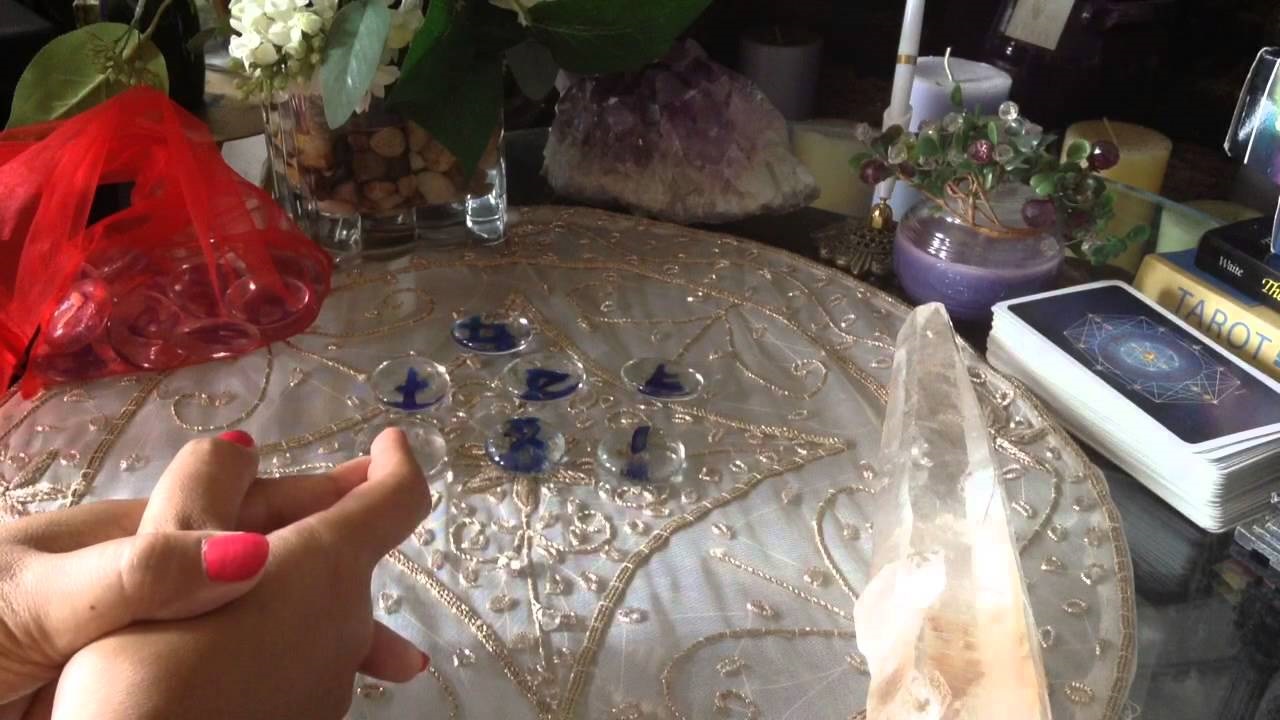

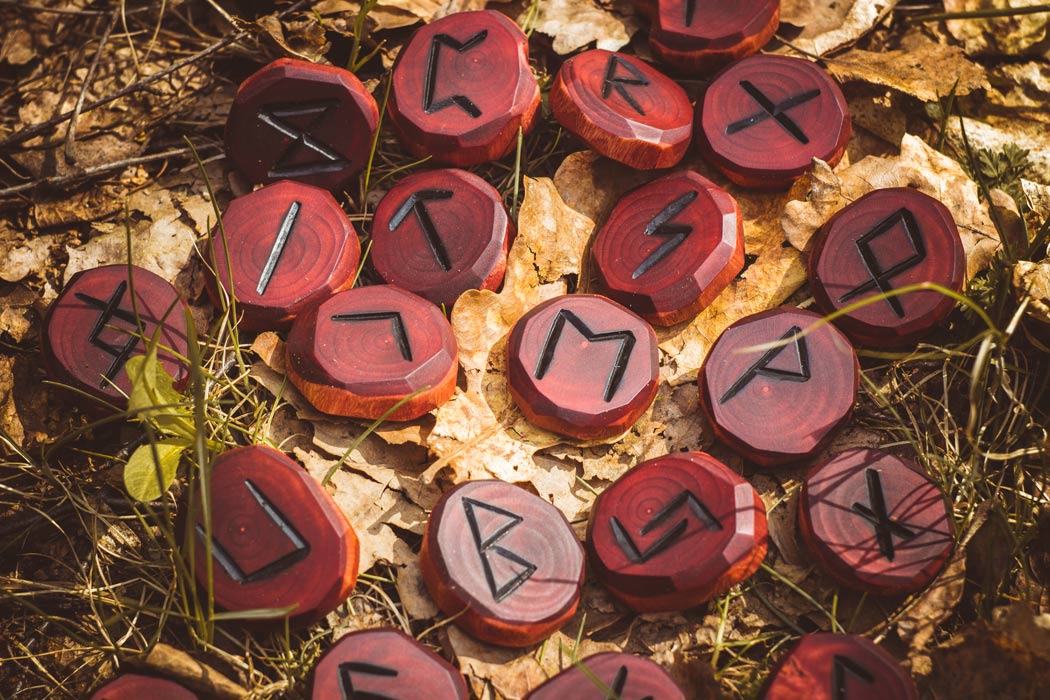
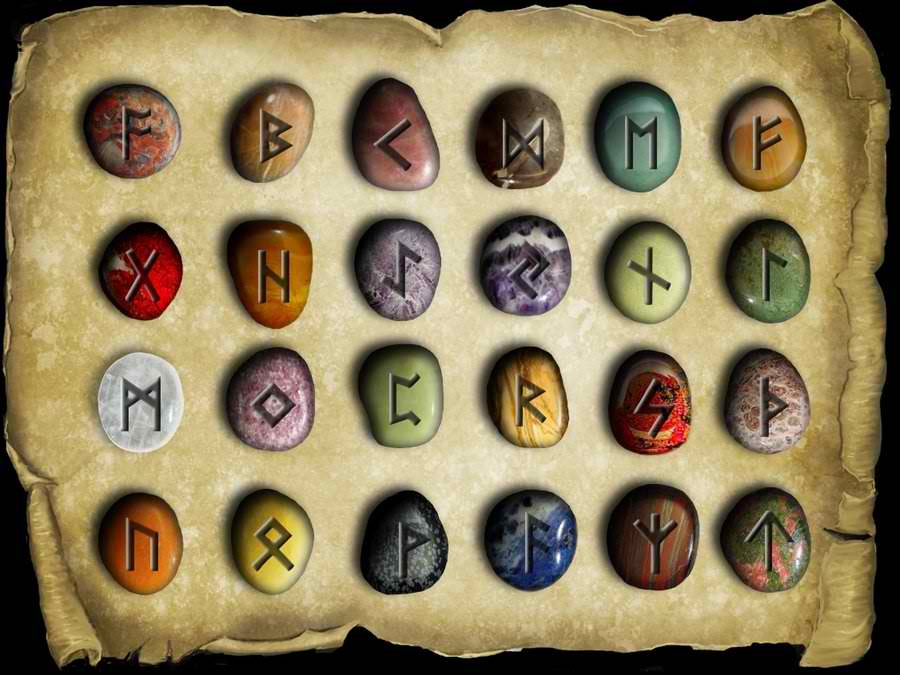
A rune is first a character from a historical runic writing system used for Germanic languages. In modern spiritual practice, the same word may also mean a token marked with a runic character or a symbol used as a personal prompt. These meanings should be kept separate: a historical letter is not automatically a charm, prediction, or locator.
Rune tokens may support reflection or a creative ritual, but reliable evidence does not show that they create happiness, attract luck, guarantee success, or reveal where missing keys are. For a careful overview of the 24-character Elder Futhark and modern prompt language, use the Rune Stones reference.
What “rune” can mean
| Context | What the word means | Important limit |
|---|---|---|
| Historical writing | A character in a runic alphabet used to write a Germanic language | Different alphabets and periods must not be collapsed into one “Viking language” |
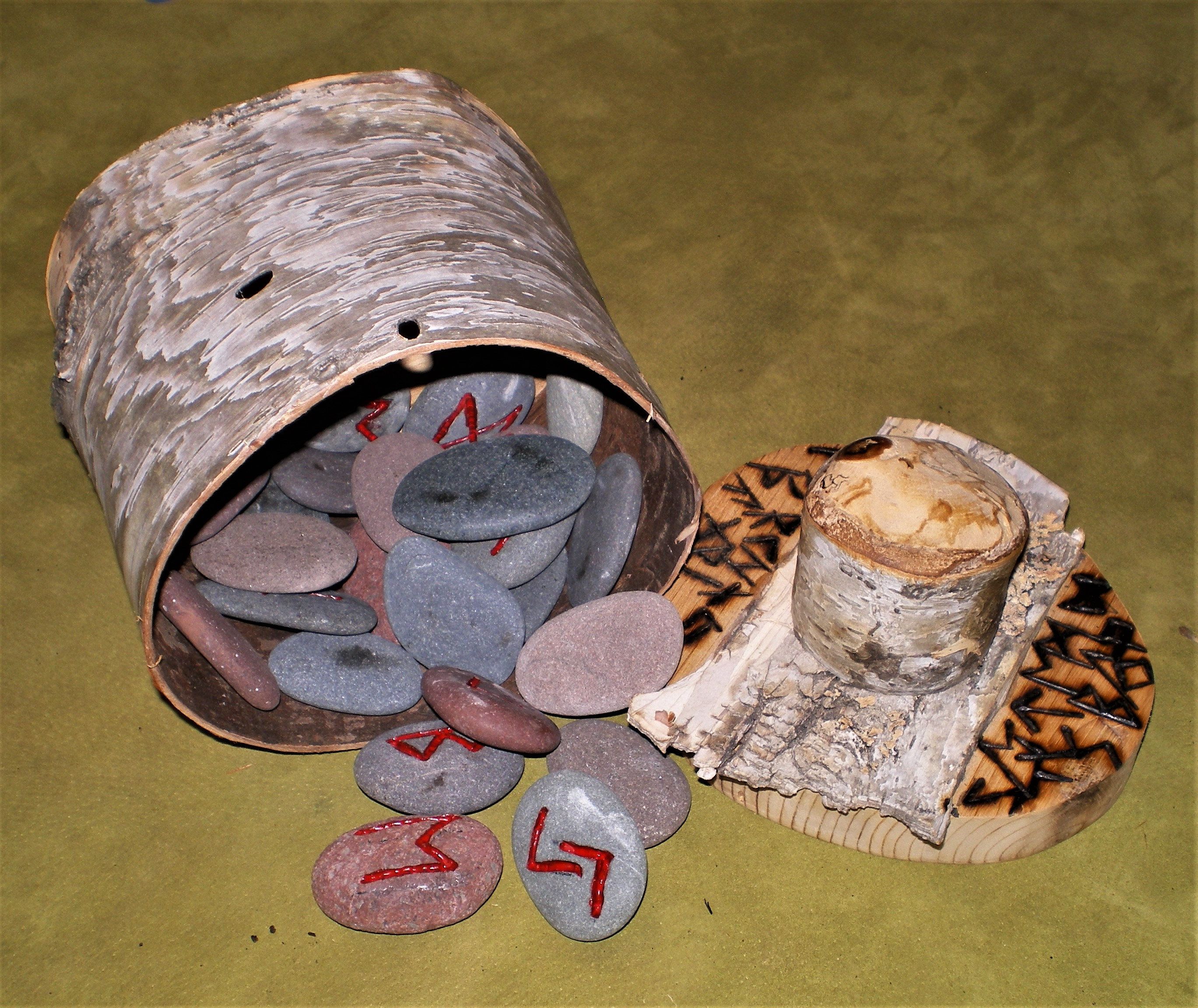
| Modern rune set | A wood, stone, ceramic, card, or other token marked with a character | The standardized bag and booklet meanings are modern products |
| Reflection practice | A randomly selected prompt used for journaling or conversation | A prompt does not verify hidden facts or future events |
| Personal art or charm | A symbol chosen for private meaning or decoration | Personal meaning should not be presented as historical fact or guaranteed power |
| Popular culture | A fictional mark inspired by history, fantasy, games, or film | Entertainment designs are not reliable historical sources |
Runes were letters, not a single pictographic language
Elder Futhark is the scholarly name commonly used for an early 24-character runic alphabet. The name comes from the sounds of its first six characters. Younger Futhark and Anglo-Saxon Futhorc are different systems with different character inventories.
Runes represented speech sounds and could be used in inscriptions. Names and later rune-poem imagery contribute to modern interpretation, but it is misleading to say every character began as a picture with one fixed mystical meaning. Dates, spellings, reconstructed names, and interpretations vary by source.
Runic inscriptions occur on objects such as tools, jewelry, weapons, memorial stones, and small artifacts. That history does not establish a standardized ancient 24-token fortune-telling kit. Modern casting practices can be described honestly without claiming archaeological proof that is not there.
Can a rune bring happiness?
A symbol cannot guarantee an emotional state. Happiness and wellbeing are shaped by health, safety, sleep, relationships, purpose, resources, environment, and many other factors. A chosen rune may remind someone of a value or habit, just as a note, photograph, bracelet, or phrase might.
To use a rune as a wellbeing prompt, translate the association into an ordinary action. A modern “joy” association might prompt you to contact a friend, schedule rest, notice a pleasant activity, or ask what is missing. The action—not supernatural force from the token—is the part that can be observed and evaluated.
Do not use a rune to diagnose depression, trauma, anxiety, or another health condition. Persistent low mood, loss of function, severe distress, or self-harm risk deserves appropriate professional or emergency support.
Can a rune bring luck?
Luck often refers to chance events or to how people interpret uncertain outcomes. Carrying a symbol may increase confidence or remind someone to prepare, but it does not change probability by itself. A lucky charm can also create false confidence if it encourages unsafe risk, excessive spending, or ignoring evidence.
If you use a rune as a “luck” reminder, attach it to controllable steps: check the application, practice the interview, read the terms, set a budget, wear safety equipment, or make a backup plan. Do not treat it as protection from financial loss, illness, injury, gambling odds, legal consequences, or another person’s choices.
Can a rune help find missing keys?
A random draw is not a reliable locator. A broad word such as “journey,” “home,” or “gift” can be fitted to almost any place after the keys are found. The useful alternative is a structured search that reduces memory errors and repeated checking.
- Stop and reconstruct. Write the last time you definitely used or held the keys.
- Check the route once. Follow your movements in order rather than jumping between likely places.
- Search by zone. Clear one small area completely before moving to the next.
- Check containers and transfers. Look in bags, coats, laundry, packages, vehicles, and places where your hands were full.
- Ask other people directly. Do not assume a rune reveals who moved them.
- Use practical tools. Try a flashlight, phone camera, spare key, tracker app, building office, or locksmith as appropriate.
- Protect security. If keys may be stolen or identify your address, contact the relevant property manager, vehicle service, or locksmith.
A rune can be used only as a transparent creativity prompt—for example, “What area have I not searched?”—without claiming that the selected character knows the location.
Why a rune reading can feel accurate
Rune keywords are often broad. People naturally notice matches, remember striking hits, overlook misses, and reinterpret an earlier statement after an event. This does not mean the experience is fake; it means confidence should stay proportionate to the evidence.
Record the exact question, selected rune, source wording, first interpretation, alternatives, and outcome. Do not redraw for a preferred answer or add unlimited clarifiers. If testing prediction, decide the target and scoring rule in advance and compare results with chance.
Use symbolism without turning it into a command
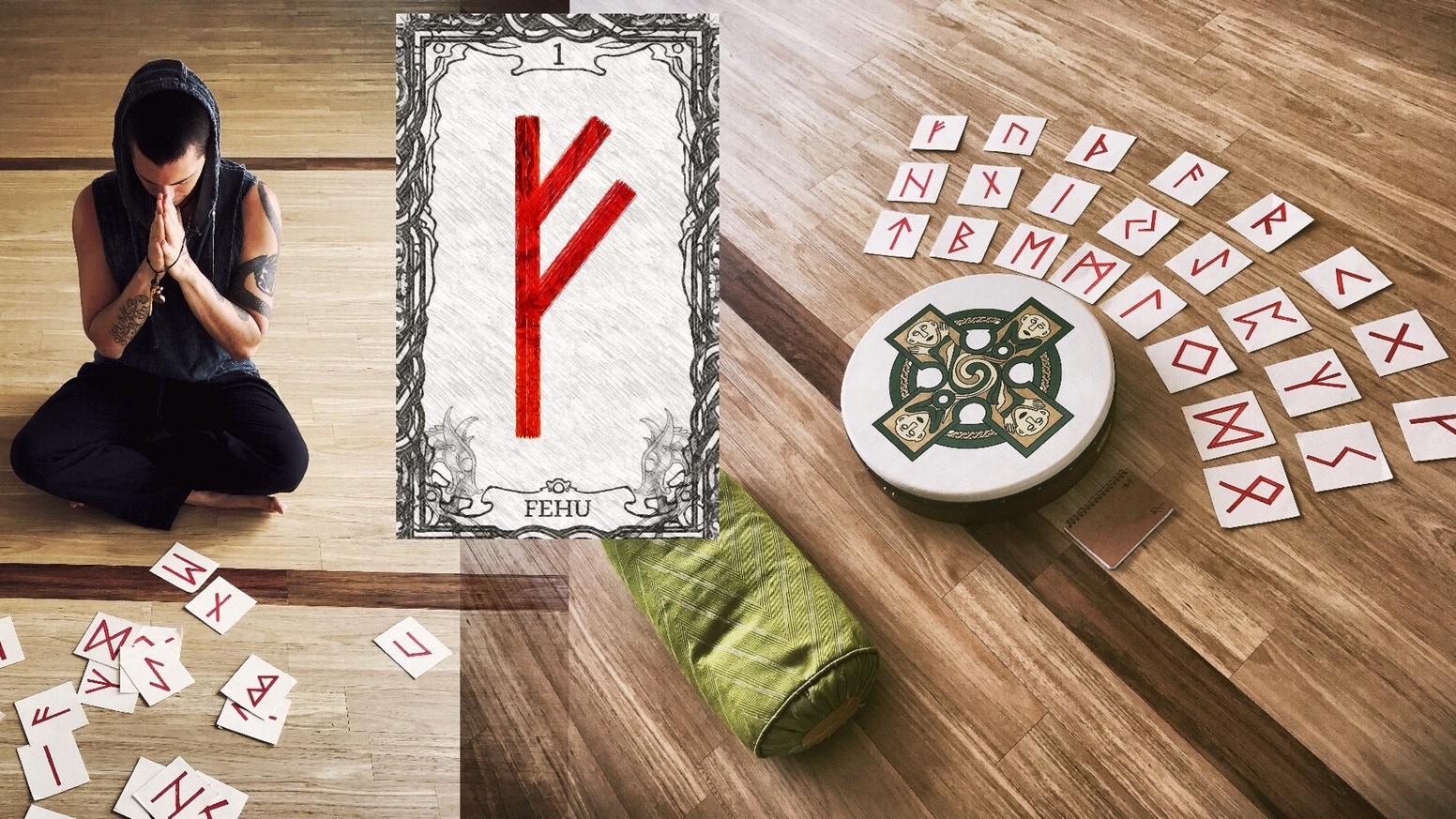
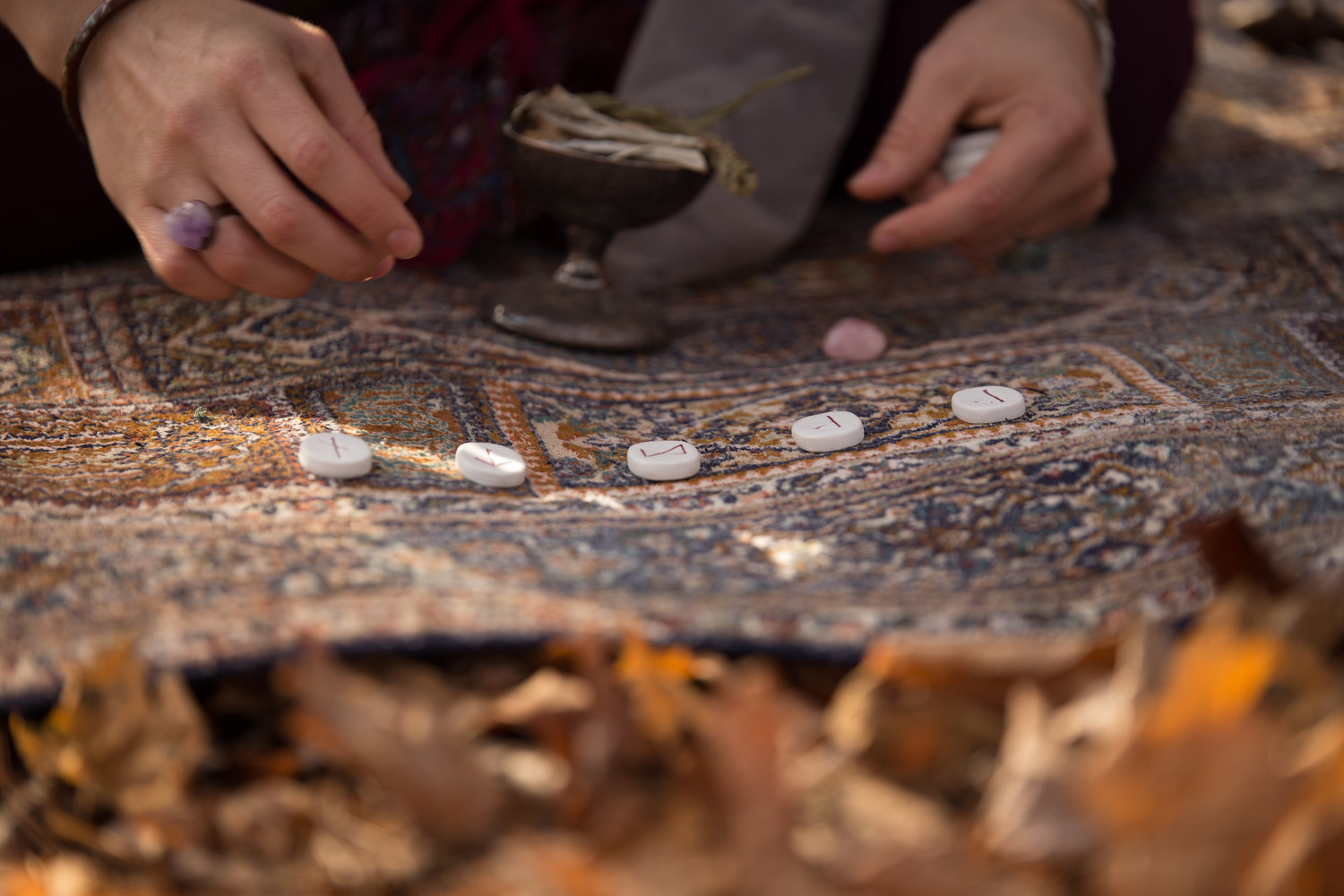
A one-rune prompt can support journaling if it preserves choice. Ask, “What should I consider before acting?” rather than “What will definitely happen?” Write one interpretation that fits your preference, one that challenges it, and one ordinary explanation. Then check outside facts.
The guide to using runes for divination gives a transparent one-rune process with source labels, evidence checks, consent, and firm limits on prediction and high-stakes advice.
Cultural and symbol context matters
Runes relate to Germanic-language history and to living religious, linguistic, cultural, artistic, and spiritual communities. “Norse,” “Viking,” “Germanic,” “Celtic,” “Wiccan,” “shamanic,” and “Indigenous” are not interchangeable labels. Popular-culture designs should not be treated as museum evidence.
Some rune forms have also been appropriated by Nazi and neo-Nazi movements. A character in a linguistic chart is not automatically extremist, but racist slogans, hate-group combinations, and movement-specific styling matter. Learn the context and avoid extremist adaptations as decoration.
Safety and decision boundaries
Runes cannot diagnose illness, pregnancy, mental-health conditions, curses, crimes, abuse, addiction, fertility, or cause of death. They cannot confirm another person’s private thoughts, fidelity, safety, location, or intentions.
Do not spend money on urgent cleansing, activation, protection, or repeated readings because someone says a rune detected danger. Important medical, legal, financial, relationship, and safety decisions require direct evidence and qualified help.
Frequently asked questions
What is a rune?
A rune is a character from a historical runic writing system. In modern practice, “rune” can also mean a marked token or reflection prompt, but those uses should be identified as modern.
Can a rune make me happy or lucky?
No rune guarantees happiness or changes chance. A chosen symbol may remind you of a value or practical action, but wellbeing and outcomes depend on ordinary conditions, choices, support, and probability.
Can rune casting locate missing keys?
There is no reliable evidence that rune casting locates objects. Reconstruct your route, search by zone, check containers, ask others, use tracking tools, and address security risk if the keys may be stolen.
Are Elder Futhark runes a Viking language?
No. Elder Futhark is an early runic alphabet used for Germanic languages; it is not itself one “Viking language.” Later runic alphabets, languages, periods, and modern spiritual systems should be distinguished.
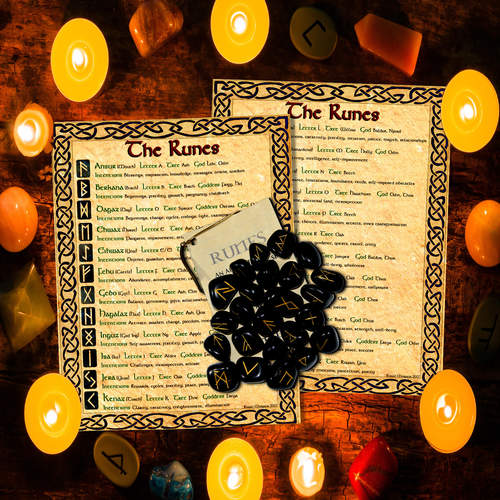



 The early settlers of Britain were well aware that their actions had consequences. The reading, even today, can be looked at in terms of the questionnaires query with regard to the past influence, present influence, and likely future outcome. The future outcome may be seemingly logical, based on causation, and not necessarily entirely on divination, and that is ok.